Ophthalmology at the highest level

At the Manhagen Eye Clinic, we have many years of experience in diagnosing and treating a wide range of eye conditions. Our specialist ophthalmologists use state-of-the-art diagnostics and proven surgical techniques to provide the best possible care for each patient’s individual needs. At Klinik Manhagen, you benefit from high quality standards, comprehensive care and the latest technical equipment, helping to ensure the greatest possible safety and preserve your sight. In addition to outpatient procedures, the hospital also performs inpatient eye surgery.
Ophthalmology at the highest level

Treatments

Lacrimal drainage surgery
  • Creating a connection between the lacrimal sac and the nasal cavity (dacryocystorhinostomy, Toti procedure)
  • Probing and insertion of tubes into the tear ducts
  • Surgery on the tear-duct openings, including widening or closure with synthetic implants

The tear drainage system carries fluid produced by the lacrimal glands into the nose and throat. A variety of congenital or acquired changes can obstruct this flow and cause troublesome watering and recurrent inflammation.

  • Probing the tear ducts
  • Insertion of tear-duct tubes
  • Creating a connection between the lacrimal sac and the nasal cavity (Toti procedure)
  • Widening or closure of the tear-duct openings
Vitreous and retinal surgery
  • For central retinal holes and membrane formation
  • For retinal detachment
  • For bleeding or clouding in the vitreous body
  • For complications after lens surgery and inflammation

The rear inner wall of the eyeball is lined by a delicate, light-sensitive layer called the retina. Its sensory cells convert incoming light into visual information. Environmental factors, congenital changes and age-related processes can damage the retina, impair its function and reduce vision.

Abnormal changes around the centre of the retina, the macula, can cause particularly severe impairment.

Surgical treatment of:

  • Retinal holes
  • Problematic retinal membranes, such as an epiretinal membrane
  • Retinal detachment
  • Bleeding or clouding in the vitreous body
  • Complications after lens surgery
  • Inflammation
Cataract

Improving vision and correcting refractive errors with lens surgery

  • Ultrasound lens removal
  • Insertion of artificial lenses, including standard and special lenses

The eye’s natural lens is an essential part of its optical system. Located behind the pupil between the iris and vitreous body, the transparent lens focuses incoming light onto the retina.

Over the course of life, the lens can become cloudy, causing a cataract and progressively reducing vision. Today, sight can be restored by implanting an artificial intraocular lens.

  • Ultrasound lens removal
  • Insertion of artificial lenses, including standard and special lenses
  • Exchange of artificial lenses
Glaucoma
  • Operations to reduce intraocular pressure
  • Improving the drainage of aqueous humour or reducing its production
  • Inpatient daytime pressure profiles for glaucoma or suspected glaucoma

The optic nerve carries visual information to the brain and therefore plays a central role in how we perceive the world around us.

Risk factors such as raised intraocular pressure can damage the optic nerve over time, causing glaucoma and potentially leading to blindness. Regulating intraocular pressure, for example with various surgical procedures, can help stop further damage to the optic nerve.

  • Pressure-lowering surgery by improving aqueous humour drainage or reducing its production
  • Inpatient daytime pressure profiles to diagnose glaucoma and optimise treatment
Microsurgery
  • Corneal and conjunctival surgery
  • Removal of conjunctival tumours
Pre-operative assessment/surgical consultation

(A hospital referral from your ophthalmologist is required.)

Eyelid surgery
  • For excess skin and protruding fatty tissue (blepharoplasty, “hooded eyelids”)
  • For eyelid malposition (ectropion, entropion)
  • For eyelid tumours

Our eyelids play an important role in protecting the eye. Blinking spreads the tear film evenly across the conjunctiva and cornea, preventing them from drying out. Healthy eyelid structure and function are therefore essential for healthy eyes and clear vision.

  • Removal of eyelid tumours
  • Correction of eyelid malposition, such as entropion or ectropion
  • Correction of sagging eyelid skin (dermatochalasis or ptosis, commonly called “hooded eyelids”)
  • Cosmetic eyelid surgery
Second opinion/senior physician review

(A hospital referral from your ophthalmologist is required.)

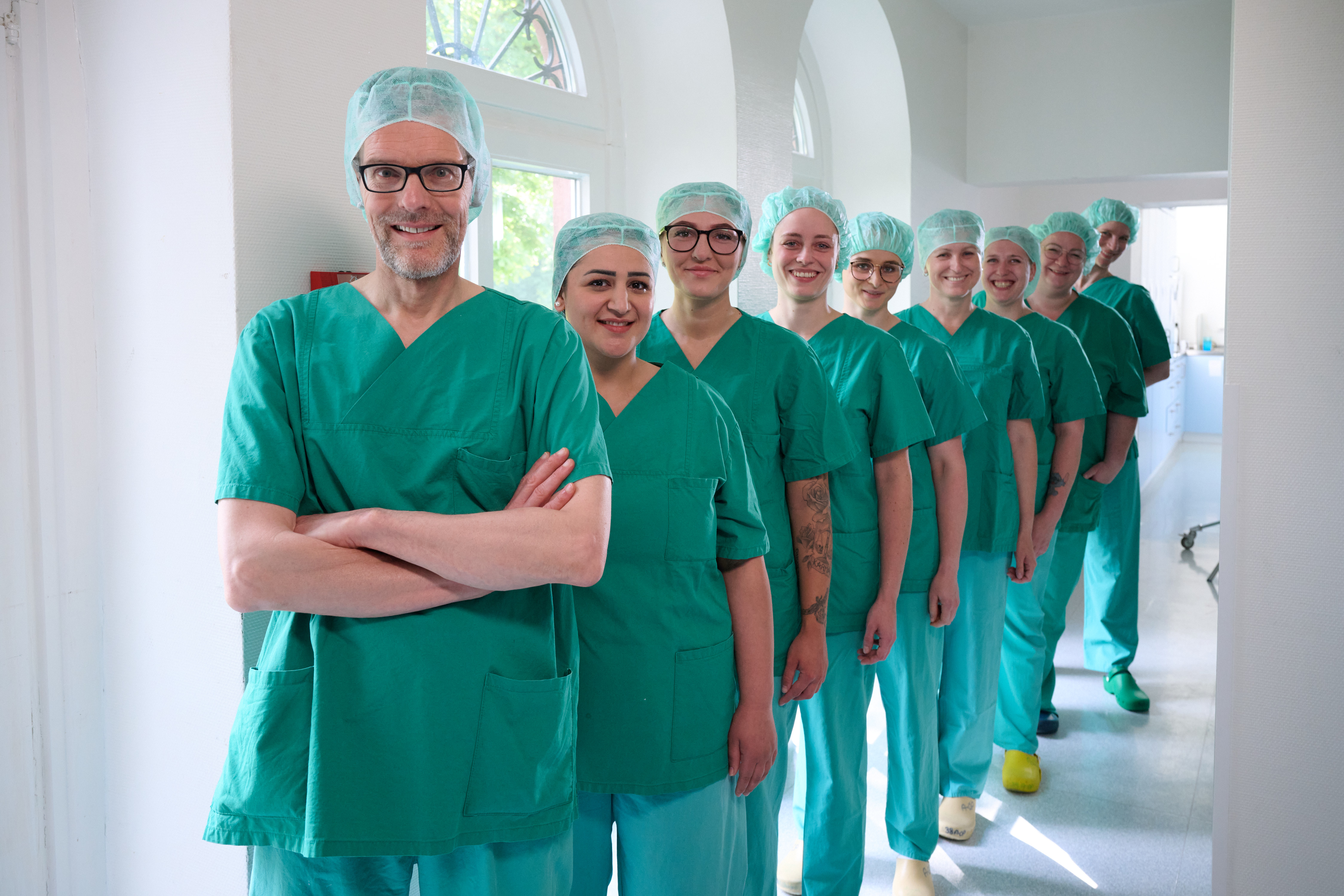
Eye Clinic team

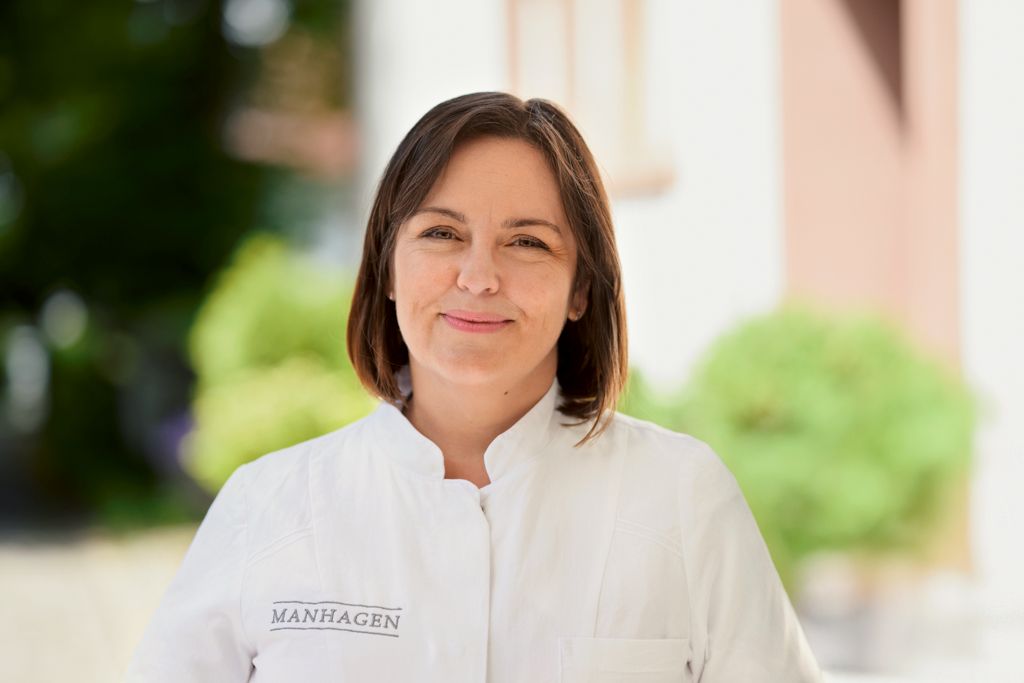
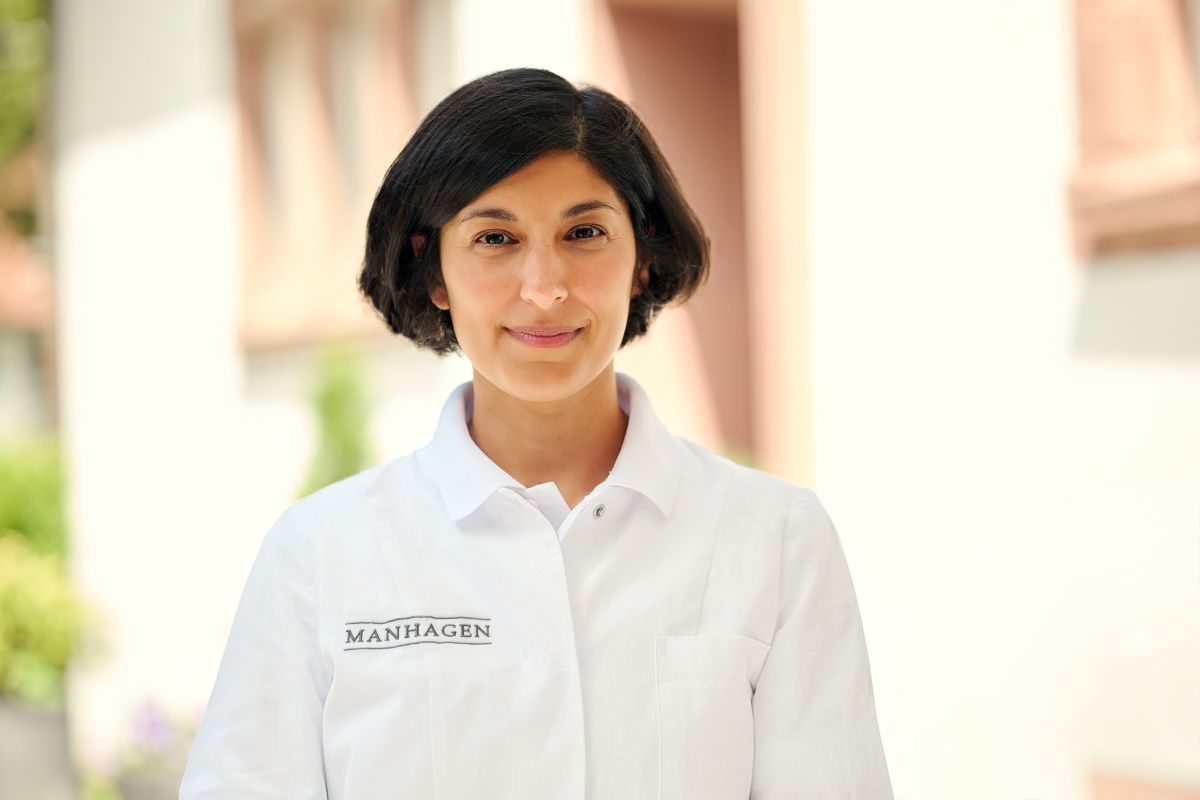
Dr Anna Bednorz

Dr Anna Bednorz

Specialist in ophthalmology and ophthalmic surgery

Contact Dr Anna Bednorz.

Book an appointment
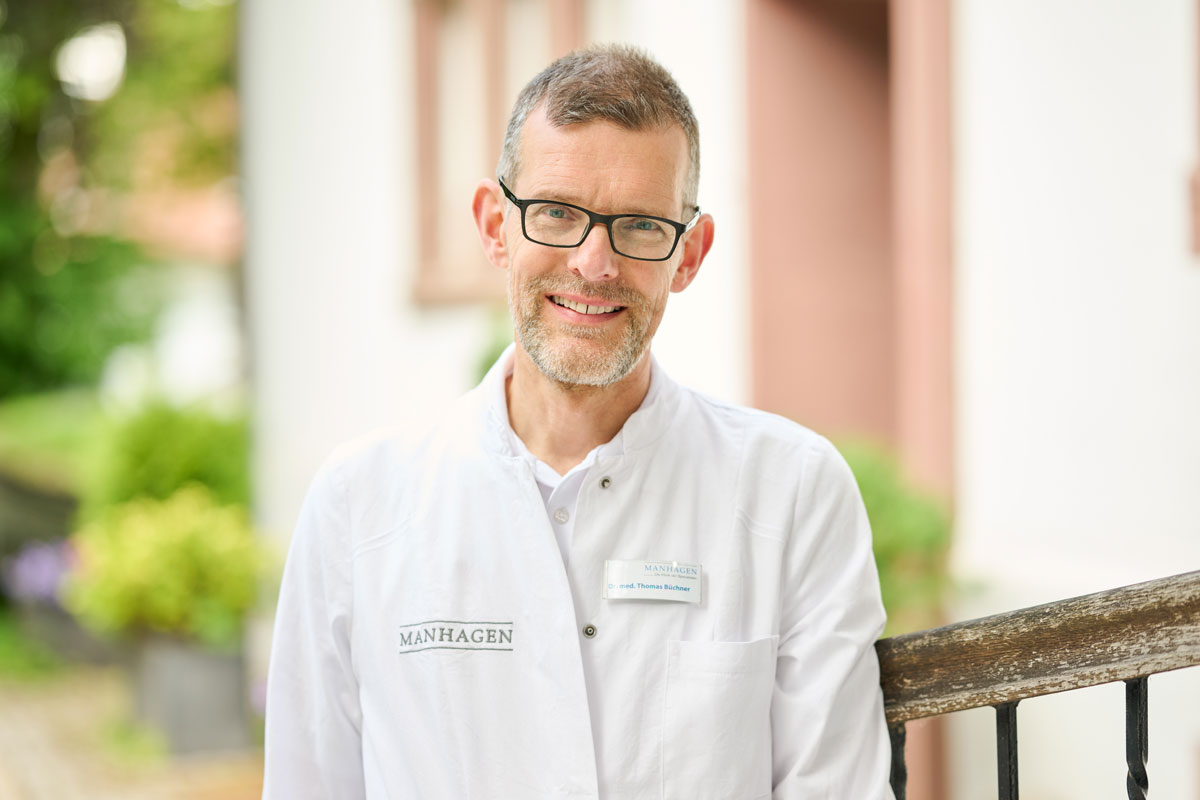
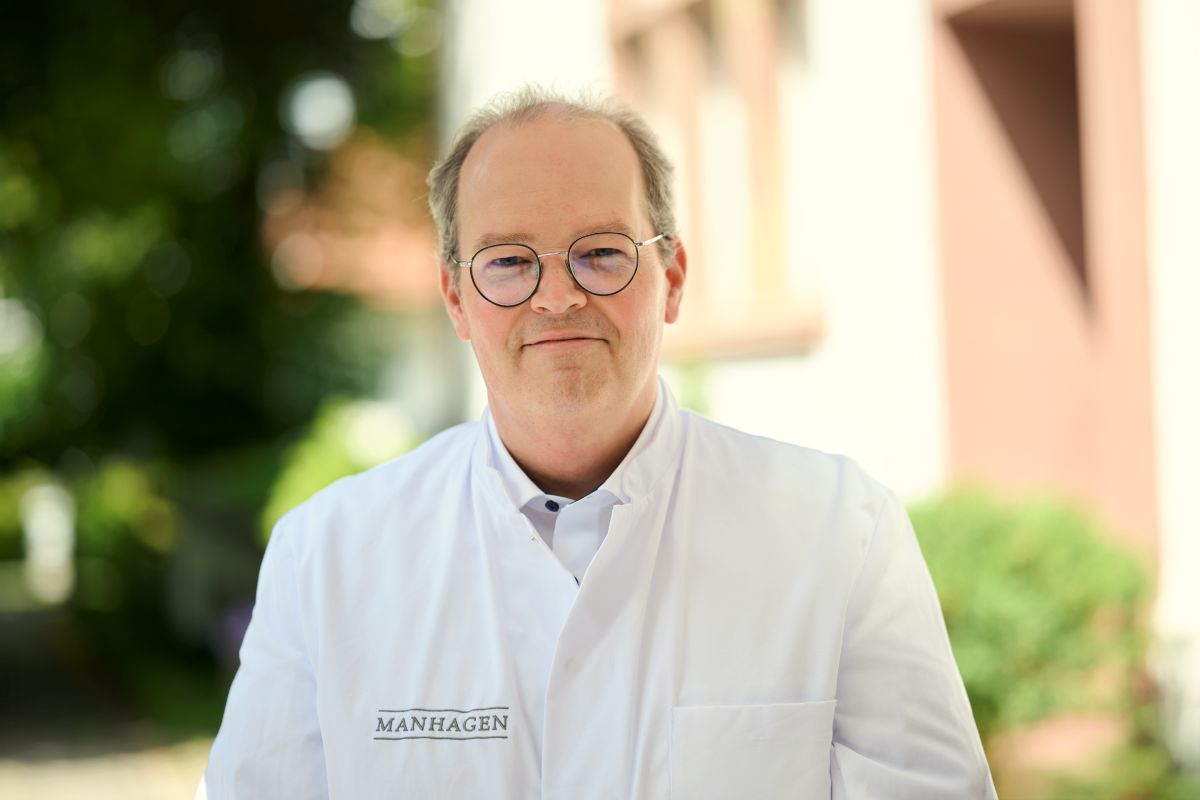
Dr Thomas Büchner

Dr Thomas Büchner

Specialist in ophthalmology and ophthalmic surgery; Senior Physician

Contact Dr Thomas Büchner.

Book an appointment
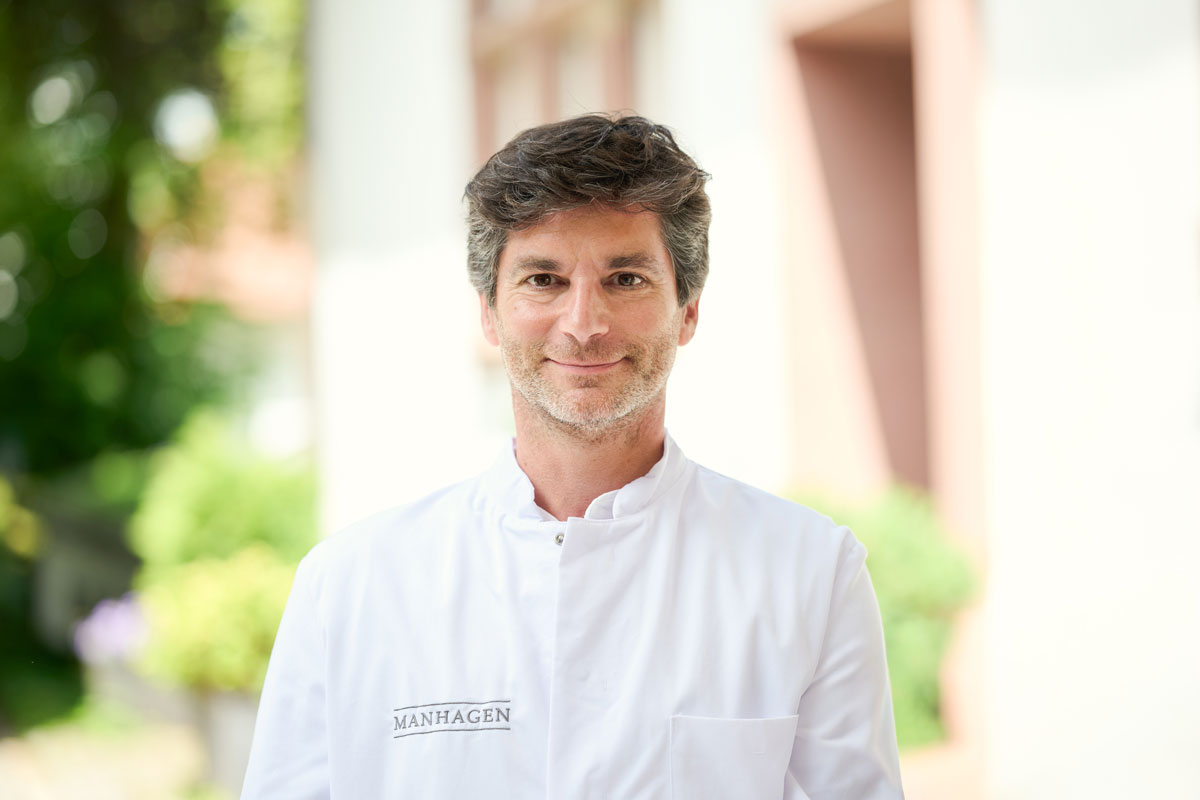
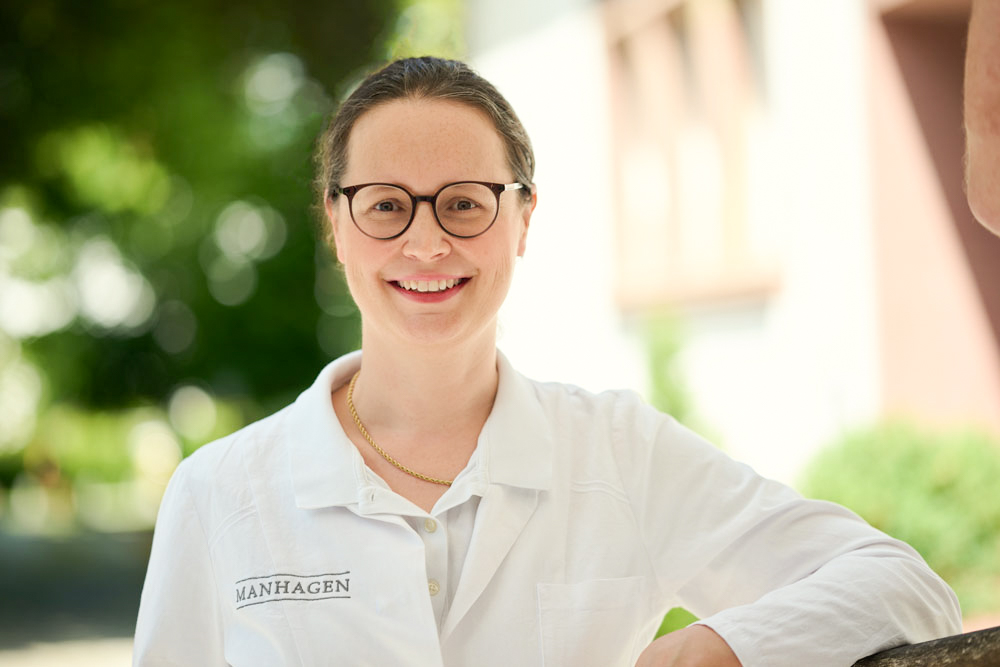
Dr Maximilian von Bülow

Dr Maximilian von Bülow

Specialist in ophthalmology and ophthalmic surgery

Contact Dr Maximilian von Bülow.

Book an appointment
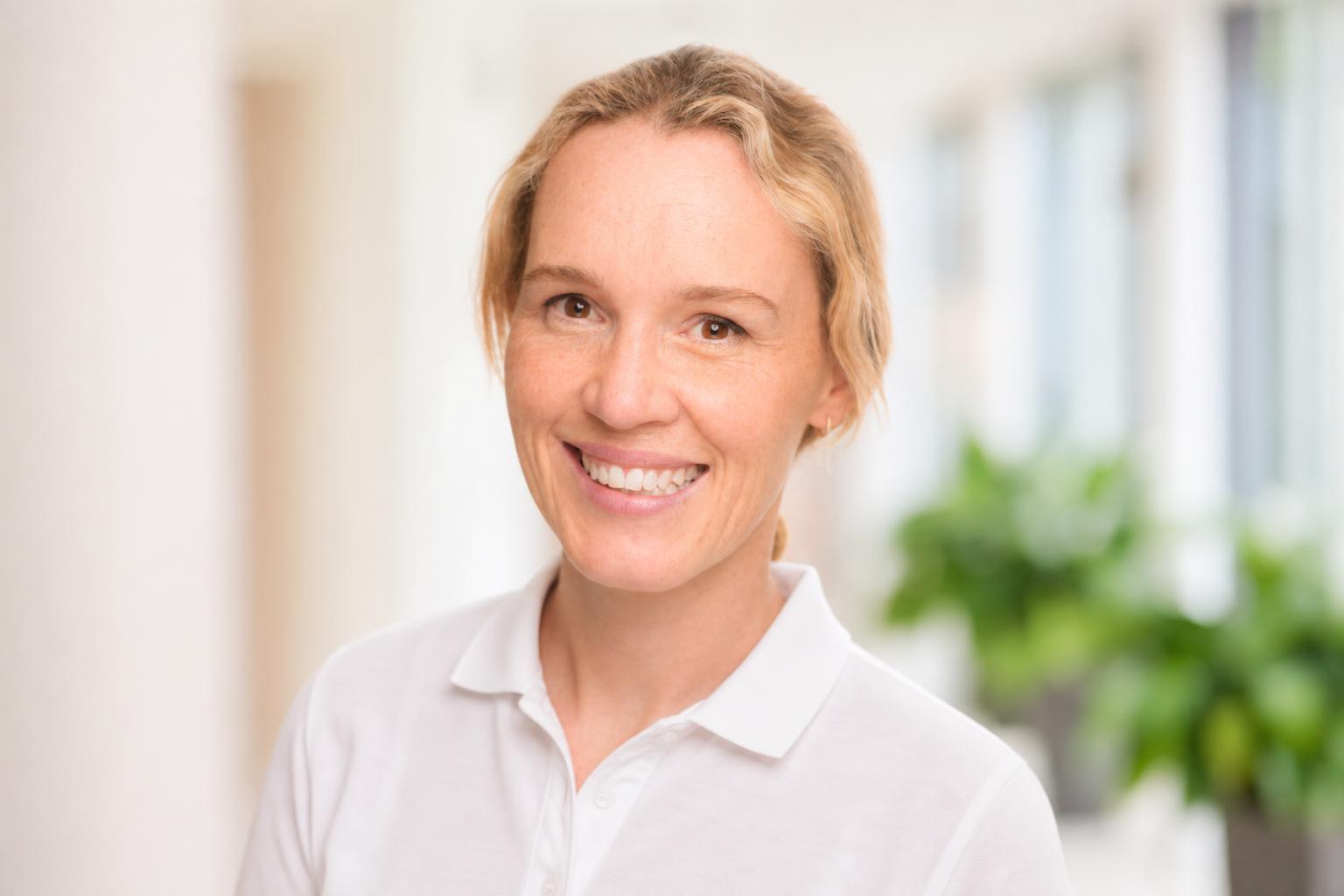
Claudine Moritz

Claudine Moritz

Deputy Head of Surgical Services

Eileen Müller-Gehlhaar

Eileen Müller-Gehlhaar

Head of Surgical Services

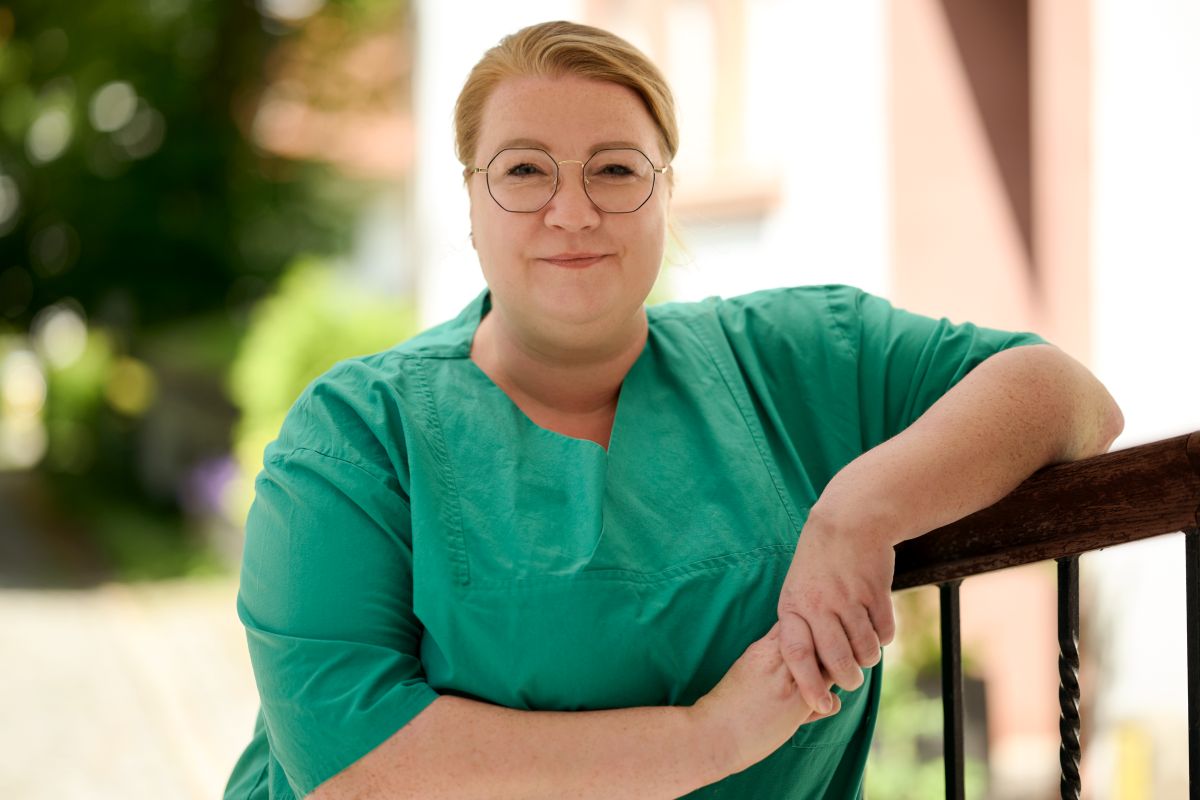
Dr Juliane Quast

Dr Juliane Quast

Specialist in plastic and aesthetic surgery and hand surgery; Senior Physician

Contact Dr Juliane Quast.

Book an appointment
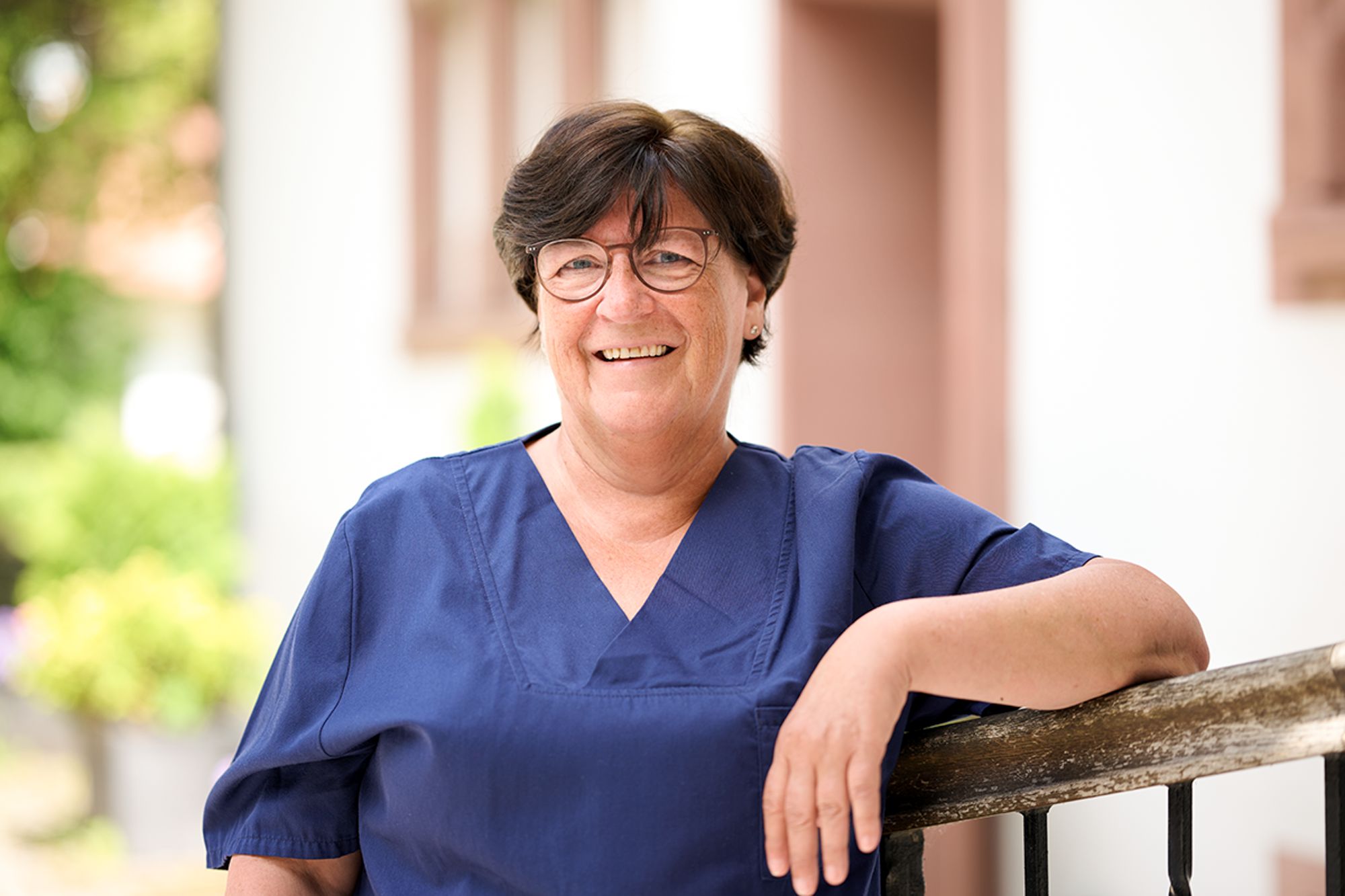
Ute Schubring

Ute Schubring

Ward Manager

Dr Sung-Hyun Yun

Specialist in ophthalmology and ophthalmic surgery

Contact Dr Sung-Hyun Yun.

Book an appointment

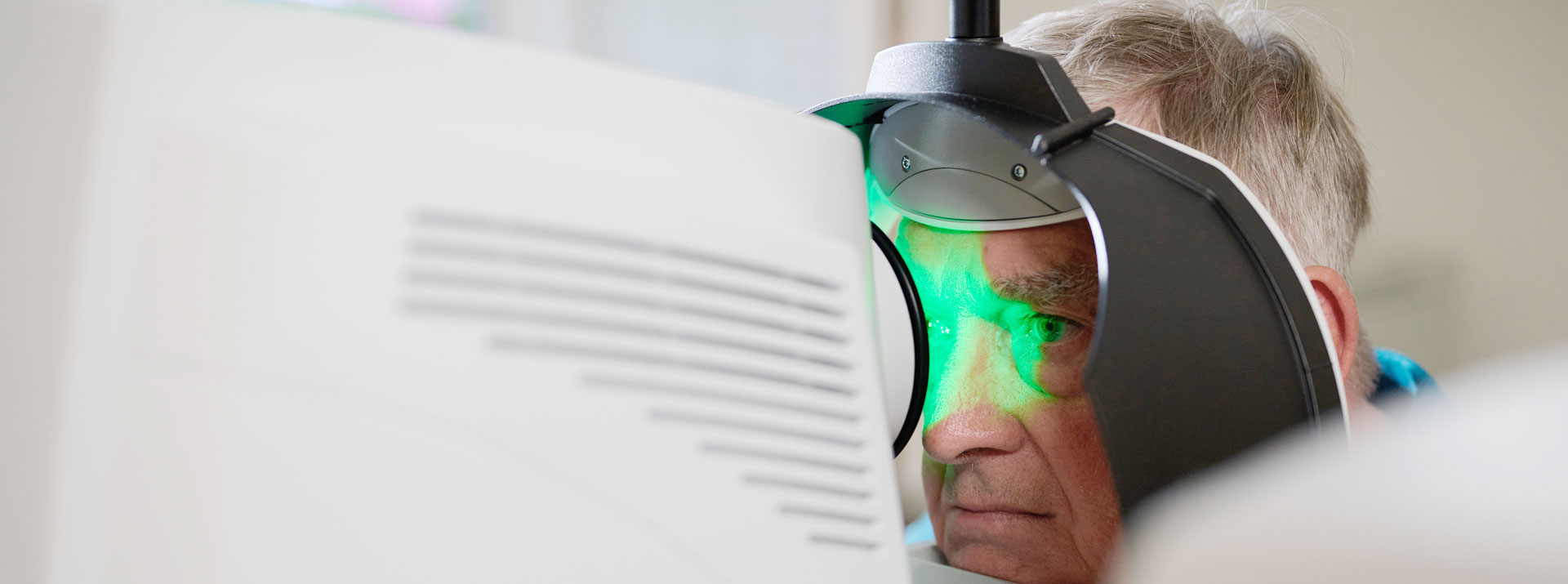
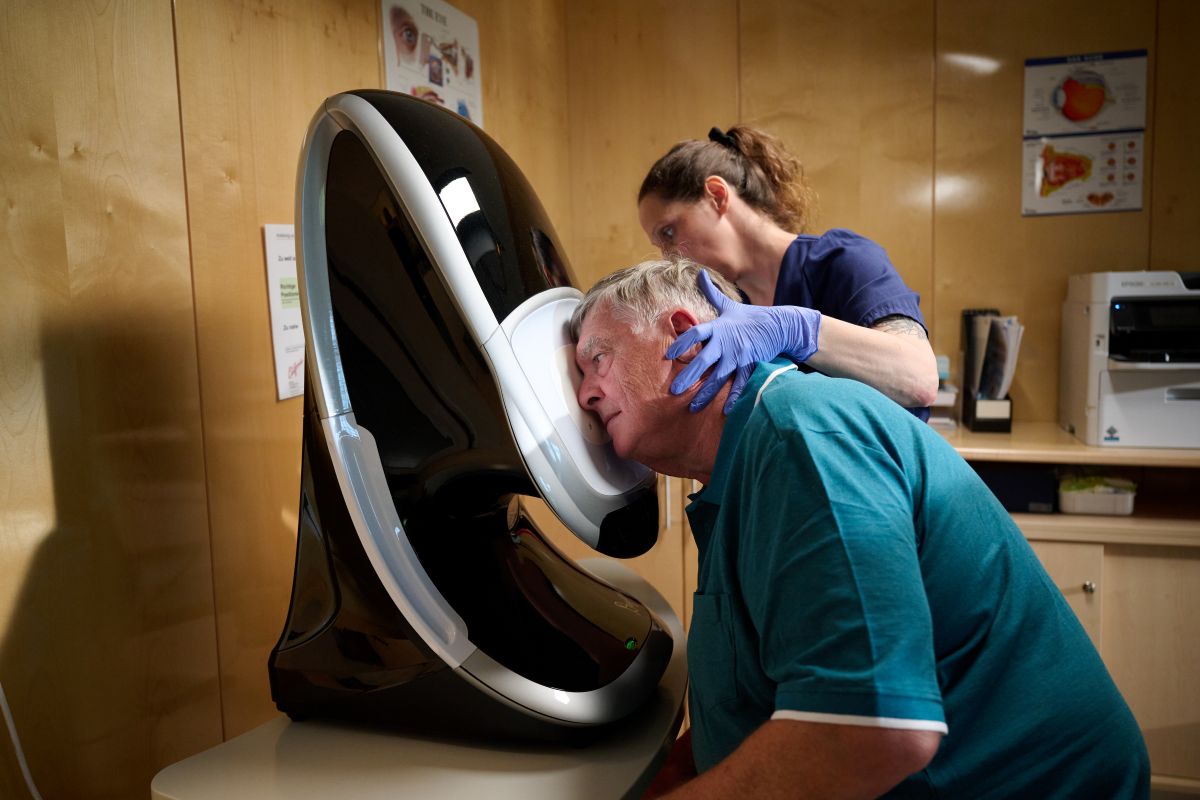
Optomap: modern retinal imaging

At the Manhagen Eye Clinic, Optomap provides us with a modern method for capturing ultra-widefield images of the retina, quickly, without contact and usually without dilating the pupils.

Your benefits at a glance:

  • Captures up to 200° of the retina in a single image, compared with only around 30–50° using conventional methods
  • Painless, contact-free and fast
  • Reliable early detection of retinal changes, such as macular degeneration, diabetic retinal disease or retinal holes
  • A valuable tool for monitoring existing conditions over time

This enables us to identify changes early and treat them promptly, helping to preserve your sight as fully as possible.
Optomap: modern retinal imaging

Precise eye measurements with the IOLMaster

Precise measurements of the eye are essential for the best possible planning of cataract or refractive surgery. At the Manhagen Eye Clinic, we use the IOLMaster, one of the most advanced optical biometry systems available.

The system measures the eye’s key parameters, including axial length, corneal curvature and anterior chamber depth, quickly, accurately and without contact. These measurements provide the basis for calculating the most suitable artificial lens, or intraocular lens (IOL), for each patient.

The measurement uses infrared light and is completely painless and comfortable. Thanks to its high degree of accuracy, the IOLMaster makes an important contribution to achieving the desired visual outcome after surgery, whether for clear distance vision, near vision or greater independence from glasses.
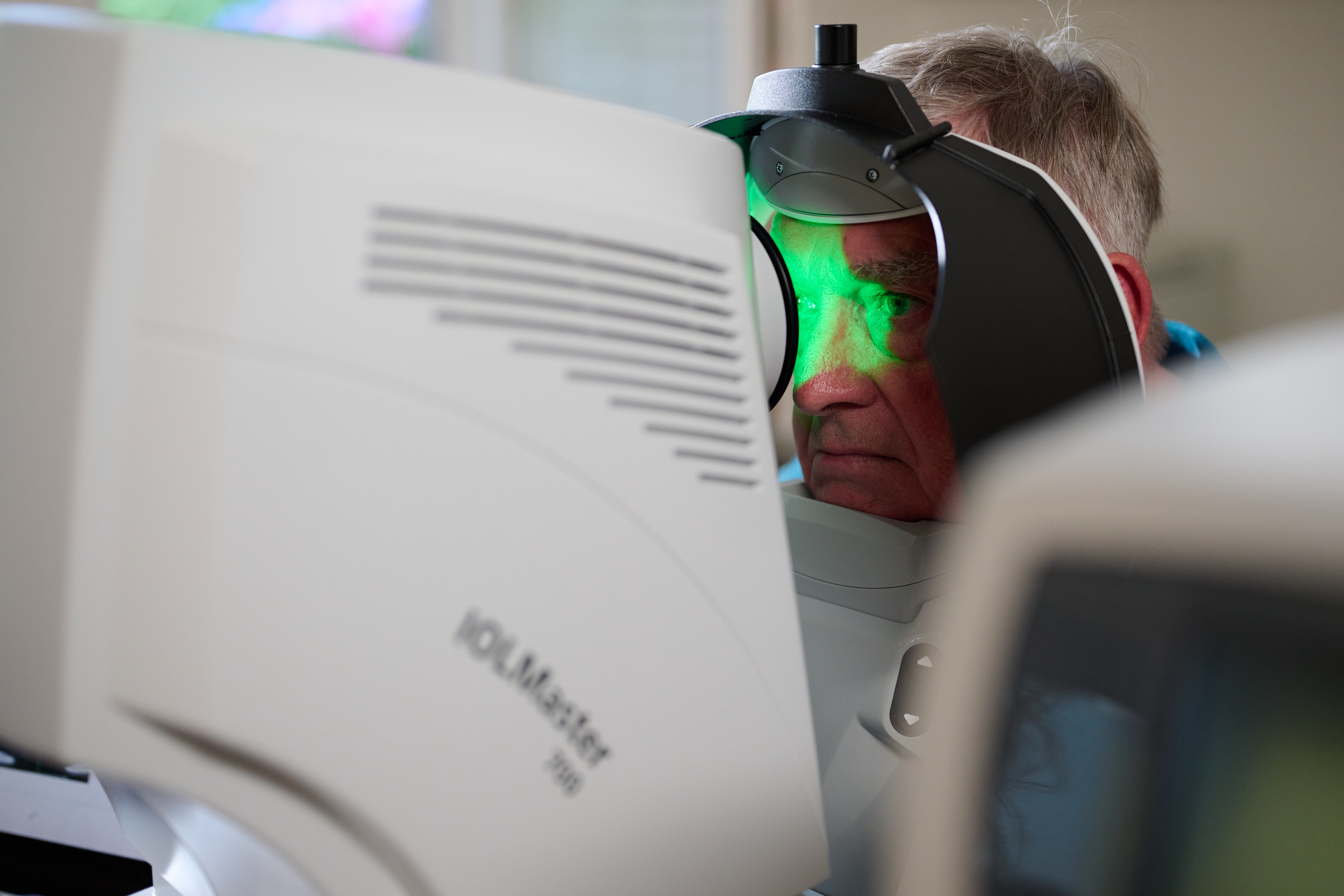
Precise eye measurements with the IOLMaster

High-resolution retinal imaging with HD-OCT

The Manhagen Eye Clinic uses state-of-the-art diagnostic technology to identify and monitor diseases of the retina and optic nerve accurately, including HD-OCT (high-definition optical coherence tomography).

This innovative, contact-free and painless technique produces ultra-high-resolution images of the retina, particularly the macula, the area responsible for sharp central vision, and the optic nerve. It creates cross-sectional images of the individual retinal layers and reveals even the smallest changes, long before they may be detected with conventional examination methods.

The examination supports early diagnosis, targeted treatment planning and reliable monitoring, helping to preserve your sight as fully as possible.
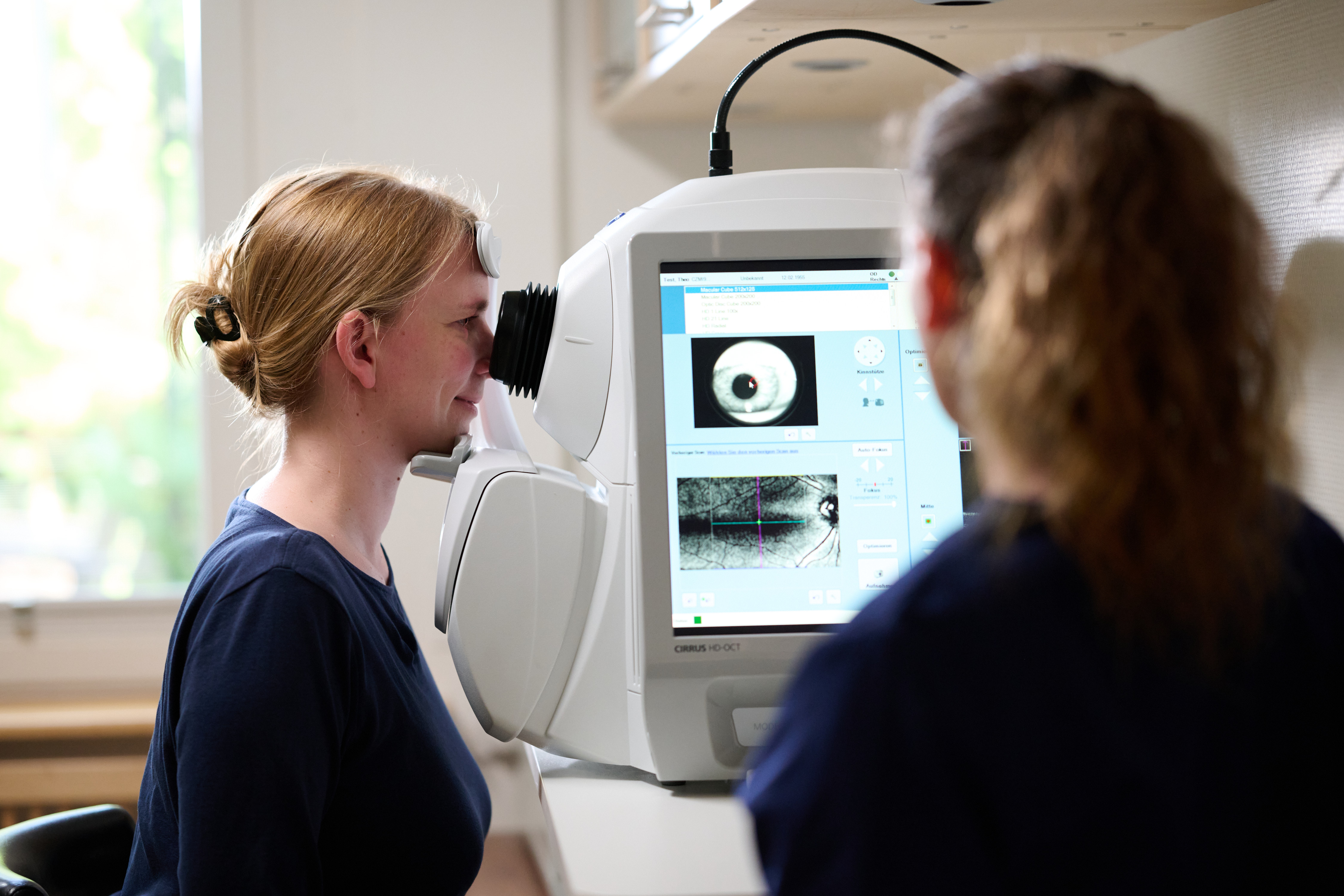
High-resolution retinal imaging with HD-OCT

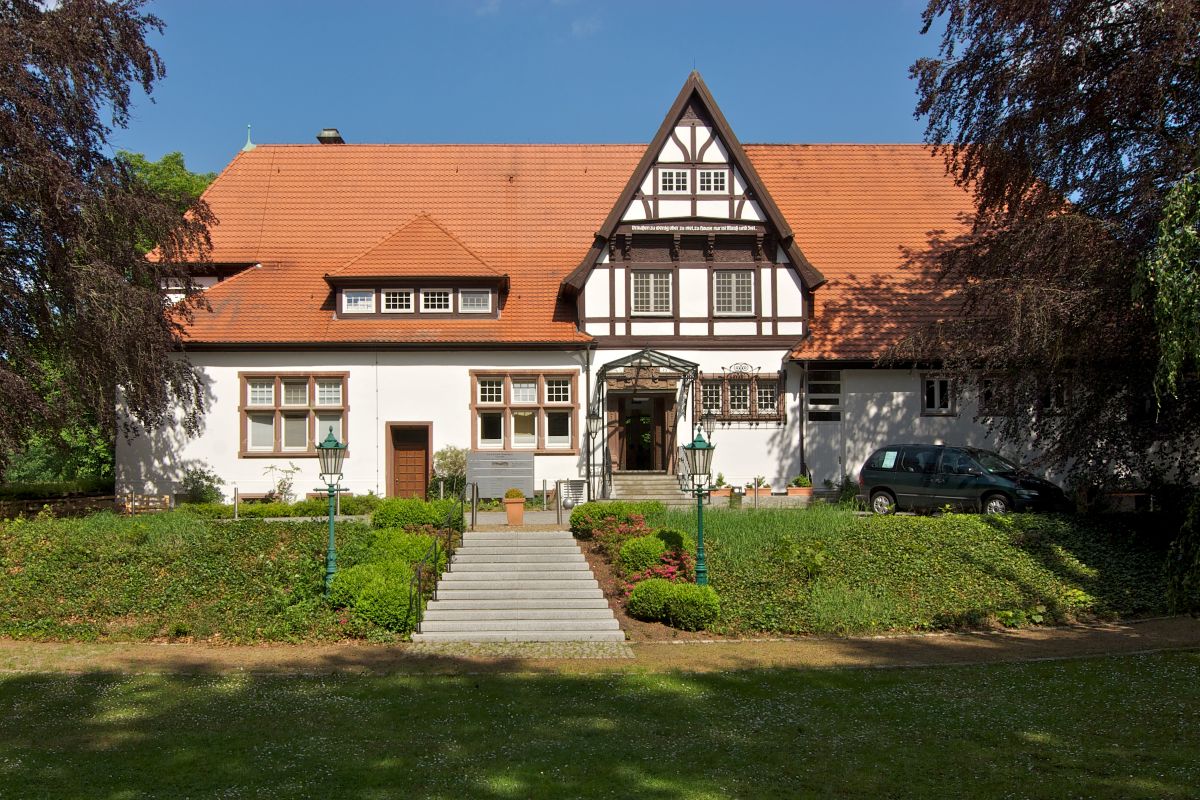
A look inside the Eye Clinic

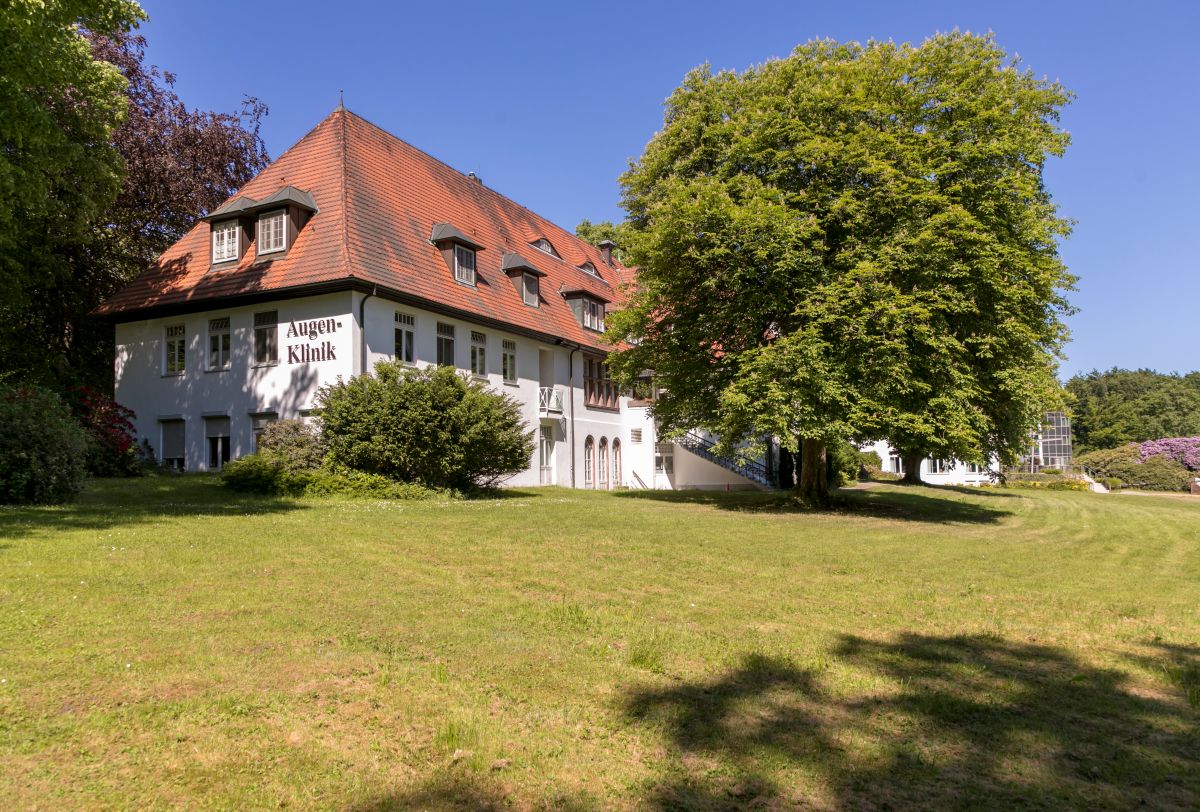
Front view of the Manhagen Eye Clinic
Front view of the Eye Clinic

Measurable quality

Case numbers, awards, quality reports and patient satisfaction show the standards against which we measure ourselves.

Measurable quality

Frequently asked questions about the Eye Clinic

Do I need a hospital referral or a specialist referral?

You need a hospital referral from your ophthalmologist for surgery.

May I take my diabetes medication?
  • In the morning: Do not take diabetes tablets.
  • Long-acting insulin in the evening: Reduce the dose.
  • On the day of surgery: Do not inject insulin.
  • Ozempic, Wegovy (weekly injectable diabetes medicines): Stop for one week before surgery.
  • Other morning medication (e.g. blood pressure tablets) may be taken with a small sip of water.
Do I need to stop taking blood-thinning medication?
  • Phenprocoumon (Marcumar): Stop seven days before surgery, but only with the agreement of your GP or cardiologist. A temporary switch to heparin injections may be needed. The Quick value on the previous day must be > 50% (approximately INR 1.5).
  • Plavix, clopidogrel, Iscover or similar: Stop ten days before surgery, but only with the agreement of your GP or cardiologist.
  • Xarelto, Pradaxa, Brilique, Lixiana, Eliquis or similar: Stop two days before surgery, but only with the agreement of your GP or cardiologist.
  • If treatment cannot be stopped, the anaesthetic technique will be planned individually.
  • Aspirin/ASA 100 mg: does not need to be stopped.
Do I need to fast?

Yes.

  • Food: Do not eat during the six hours before surgery.
  • Drinks: Water, tea, coffee and clear carbohydrate-containing drinks are permitted.
  • Inpatients: Drink as needed until you are collected for the operating theatre.
  • Outpatients: Drink as needed until you arrive at the hospital.
  • Recommendation: Carbohydrate-containing drinks, such as apple or orange juice without pulp or iced tea, can help prevent a calorie deficit before surgery.
When will I be told the pick-up time for the shared taxi?

Please call one day before your appointment to ask: 04102 605 152.

Which findings from my GP should I bring?
  • Full blood count, electrolytes, coagulation (Quick test or INR, PTT), creatinine
  • Current INR/Quick value when taking phenprocoumon (ideally from the previous day)
  • ECG
  • List of pre-existing conditions
  • Medication plan
  • Regular medication, in case an inpatient stay becomes necessary
  • Internal medicine findings in the event of serious pre-existing conditions
How recent do my laboratory results, such as a full blood count, and ECG need to be?
  • Full blood count: no more than 3 months old
  • ECG: no more than 6 months old
How much time should I allow for outpatient cataract surgery?

Approximately 3–5 hours.

Direct contact

Klinik Manhagen GmbH & Co. KG Sieker Landstraße 19
22927 Großhansdorf
Reception opening hours Monday to Friday: 06:00 to 21:00
Weekends: 09:00 to 17:30
Public holidays: 09:00 to 15:00
Orthopaedics & surgery
04102 605-0
MVZ Manhagen (practice)
04102 605-350
Trauma Clinic/emergency service
04102 605-358
Anaesthesia
04107 - 3399860
Eye Clinic
04102 605-228
Fertility Centre
04102 777 686-0