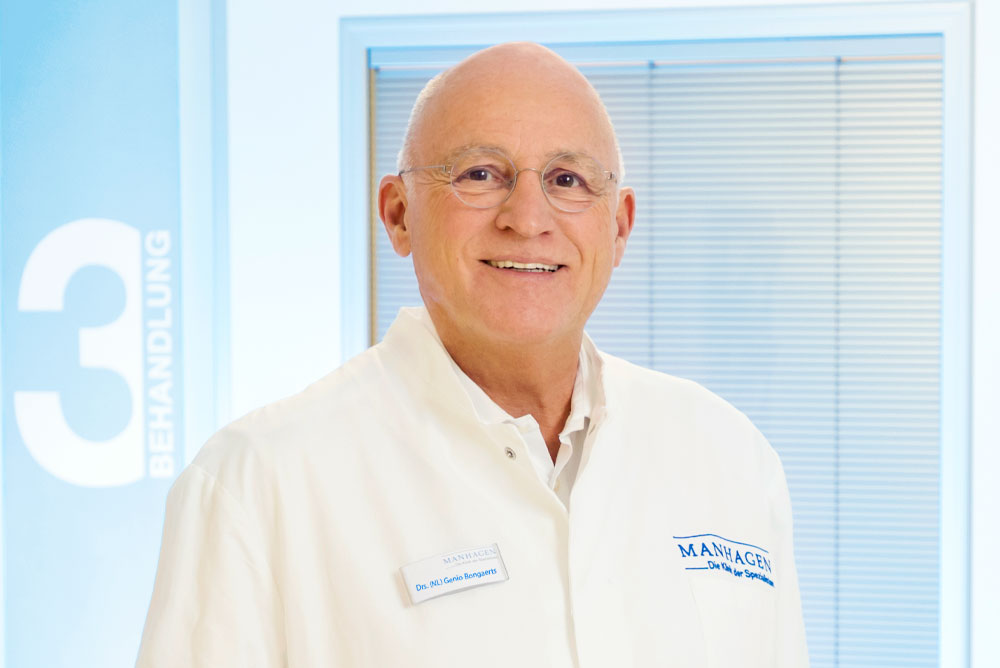
Drs. (NL) Genio Bongaerts
Specialist in orthopaedics and trauma surgery, specialised orthopaedic surgery; Chief Physician
Contact Drs. (NL) Genio Bongaerts.
Shoulder symptoms are often caused by degeneration, tendon injuries, instability or sports injuries. Because similar pain can have very different causes, accurate diagnosis is essential. On this basis, we plan the appropriate conservative or surgical treatment together with you.

Gentle restoration of joint mechanics in severe osteoarthritis
Endoscopic relief of narrowing in the subacromial space
Recovery from injuries caused by a fall
Restoring stable function after a shoulder dislocation
Relief from pain and restoration of strength
Specialist in orthopaedics and trauma surgery, specialised orthopaedic surgery; Chief Physician
Contact Drs. (NL) Genio Bongaerts.

Specialist in orthopaedics and trauma surgery
Contact Dr Matthias Buhs.
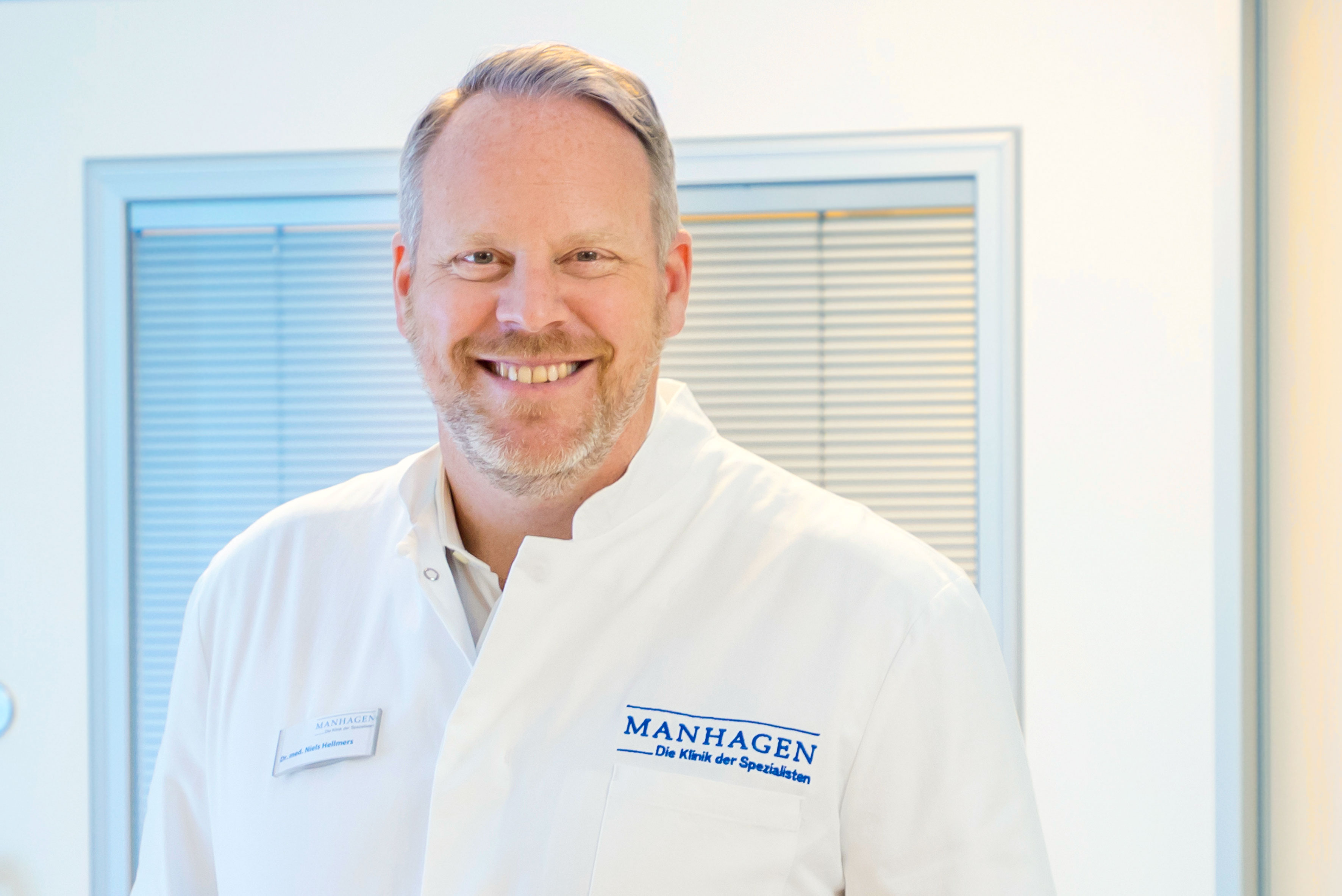
Specialist in orthopaedics and trauma surgery, specialised orthopaedic surgery; Chief Physician
Contact Dr Niels Hellmers.
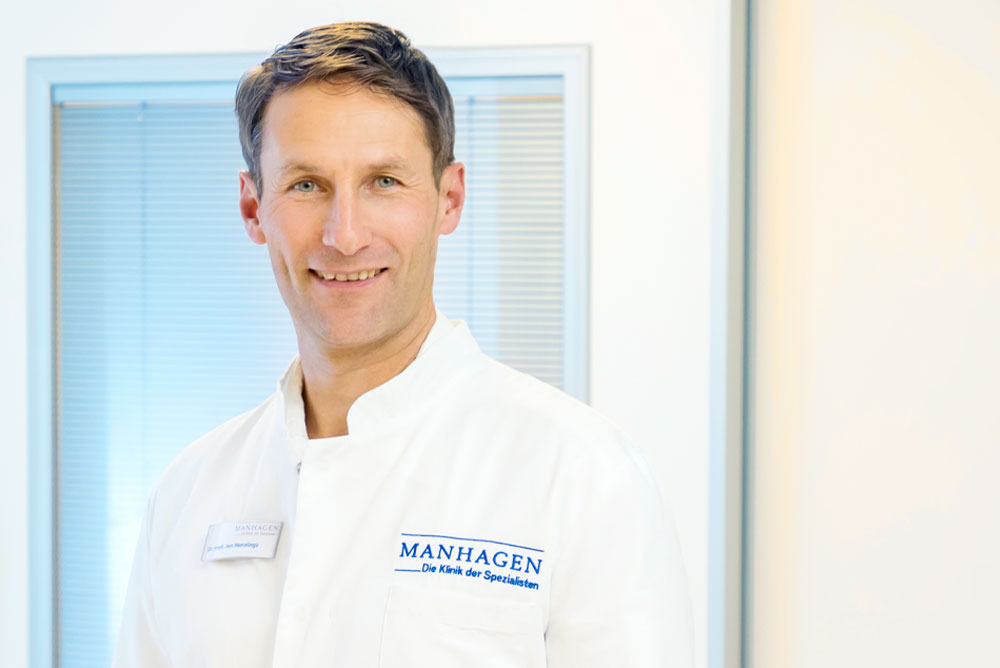
Specialist in orthopaedics and trauma surgery, knee surgery and sports medicine; Chief Physician
Contact Dr Jan Hennings.
Specialist in orthopaedics and trauma surgery
Contact Senior Physician Dr Andreas Hüschelrath.
Book an appointment
Specialist in orthopaedics and trauma surgery, sports medicine and specialised orthopaedic surgery; Chief Physician
Contact Nils Kerwer.
Specialist in orthopaedics; Chief Physician
Contact Dr Geert Lewing.

Specialist in orthopaedics and sports medicine
Contact Dr Wolf-Peter Niedermauntel.
Specialist in orthopaedics and trauma surgery, manual medicine/chiropractic therapy and emergency medicine; certified foot surgeon
Contact Matthias Roggelin.
Specialist in orthopaedics and trauma surgery
Contact Dr Florian Stuber.
Osteoarthritis is less common in the shoulder than in the knee or hip and is often easier to tolerate because the shoulder does not bear weight continuously. Nevertheless, it can develop after injuries such as fractures, known as secondary osteoarthritis; when rotator cuff tears prevent the head of the upper arm bone from remaining centred, known as cuff tear arthropathy; or without a clear cause as cartilage damage progresses, known as primary osteoarthritis. It can lead to pain, increasing restriction of movement and loss of strength.
Conservative treatment with physiotherapy, injections and dietary changes can often provide satisfactory relief.
Modern shoulder replacements allow the joint to be replaced anatomically where the rotator cuff remains intact, or with a reverse shoulder replacement where the rotator cuff is no longer adequate. Implants have advanced considerably in recent years and can often restore very good joint function.
Alongside the operation, we will of course plan the necessary rehabilitation with you so that you can return to enjoying everyday life without pain as quickly as possible.
The rotator cuff, comprising the supraspinatus, subscapularis, infraspinatus and teres minor tendons, is central to movement in the shoulder joint and keeps the head of the upper arm bone centred in the joint. Damage can result from wear or injury and often develops through a combination of mechanical stress, such as narrowing beneath the acromion, reduced nutrition and blood supply to the tissue, and irritation-related inflammation.
This can cause shoulder pain during physical activity, typically with painful restriction of movement, pain at night and, if the long biceps tendon is also affected, sudden pain shooting down the upper arm. Many symptoms respond well to physiotherapy and regular exercises at home. Minimally invasive surgery can be used to close tendon tears and reattach the tendons to the upper arm bone.
An individual assessment is always needed to determine whether conservative treatment or surgery is likely to be more beneficial. Our shoulder surgery team will be happy to discuss your findings and treatment options with you.
The main shoulder joint, or glenohumeral joint, has the greatest range of motion of any ball-and-socket joint. This is made possible by a relatively small socket, the glenoid, and a large joint head, the head of the humerus. As a result, there is an increased risk of the shoulder joint dislocating, particularly in sporting accidents.
Whether surgery is recommended after the joint has been put back into place, and which type of surgery is most suitable, depends not only on the extent of the injury but also on factors such as the patient’s sporting and occupational activities, the degree of instability, previous dislocations and any generalised joint hypermobility. The decision is made jointly with the patient.
In most cases, surgery can restore the function and stability of the joint using minimally invasive arthroscopic techniques. Alongside reattachment of the front rim of the joint, known as a Bankart repair, increasing attention is being paid to procedures that prevent the bones from engaging. These range from a capsular and tendon repair to fill a Hill-Sachs lesion, known as a remplissage procedure, to bone reconstruction of the socket where larger bone defects are present.
A Hill-Sachs lesion is an indentation in the head of the humerus caused when the bone strikes the edge of the socket during dislocation.
Our shoulder surgery team provides advice based on the latest scientific evidence. Our aim is to restore the full function and stability of your shoulder so that you can return to sport, work and everyday life.
The acromioclavicular joint, or AC joint, connects the collarbone to the acromion at the top of the shoulder. Typical injuries occur when a person falls forwards and sideways onto the shoulder or directly onto the shoulder blade, for example during contact sports or a cycling accident. The ligaments between the collarbone and the coracoid process, as well as the joint capsule itself, can tear. This causes the shoulder blade to drop, making the end of the collarbone appear raised.
If the collarbone springs back up after being pressed down, this is known as the piano-key sign.
AC joint injuries are often painful and restrict arm movement. Surgery is not always necessary, and the risks and benefits must be carefully considered in each case. An early assessment by a shoulder surgeon should always be arranged, ideally within ten days of the injury. Surgical stabilisation of the AC joint has the best chance of success when performed within three weeks of an acute injury.
When contacting us, please state that you have an AC joint injury so that we can arrange prompt advice.
Case numbers, awards, quality reports and patient satisfaction show the standards against which we measure ourselves.