History
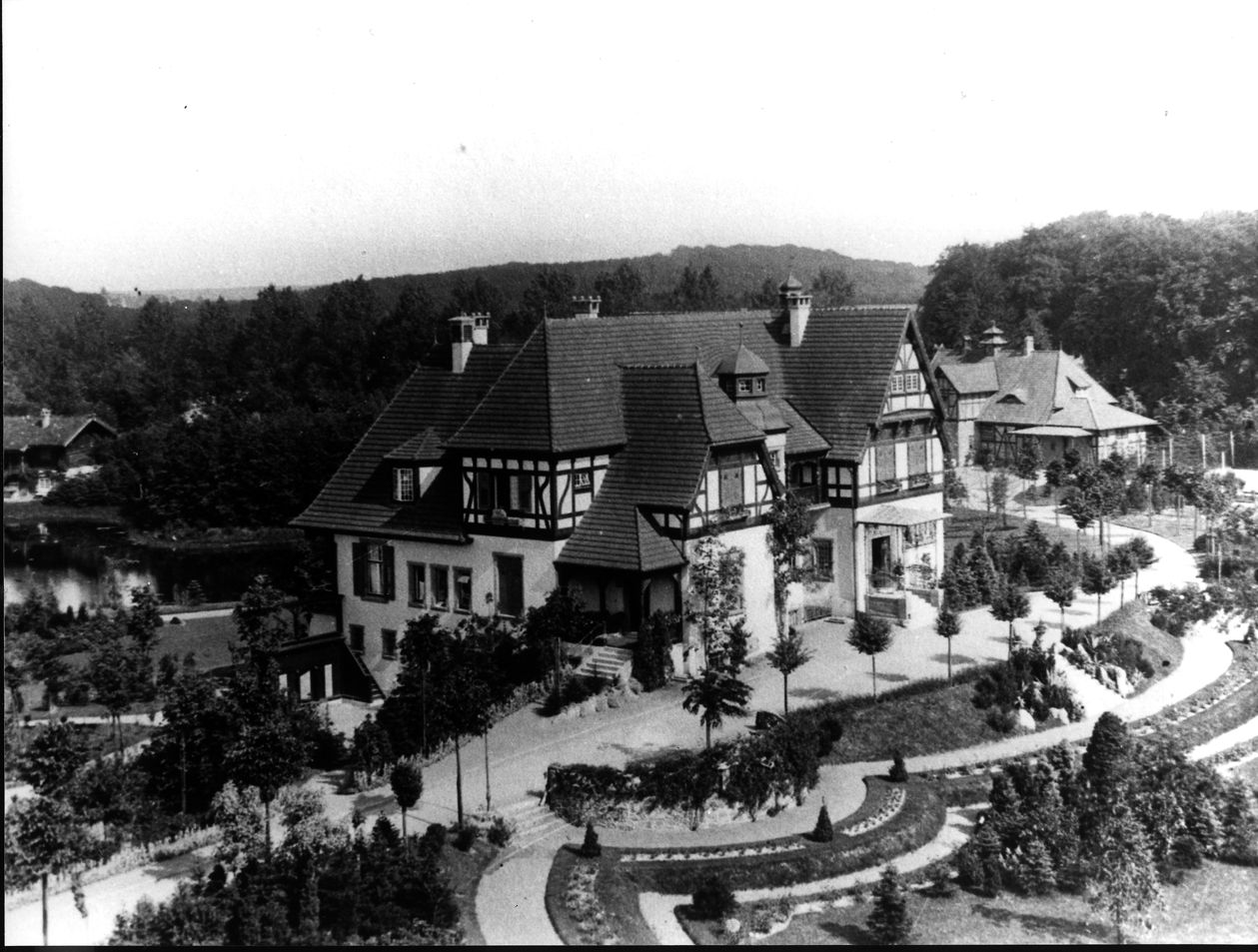
The story of Villa Wulfriede began on 14 April 1900, when Hamburg merchant Dr Max Albrecht (1851–1925) acquired the 12-hectare site on Sieker Landstraße in Großhansdorf. Two years later, his magnificent country villa was completed in the elaborate neo-Romantic style of the turn of the century and decorated with half-timbering.
The estate was named “Wulfriede” after “Wulfrie”, an old local term for marshy ground. Under the direction of a landscape architect, the meadows and wooded hills were transformed into a garden park with a large pond. A coach house, gardener’s house and gatehouse were built in the same architectural style as the villa. After his father’s death, Dr Ernst Albrecht (1877–1960) took over the villa and remodelled it in 1927.
-
 35
35Years of experience in leading medicine
-
 492000
Operations since the clinic was founded
-
500+
Employees
Villa, park and public life
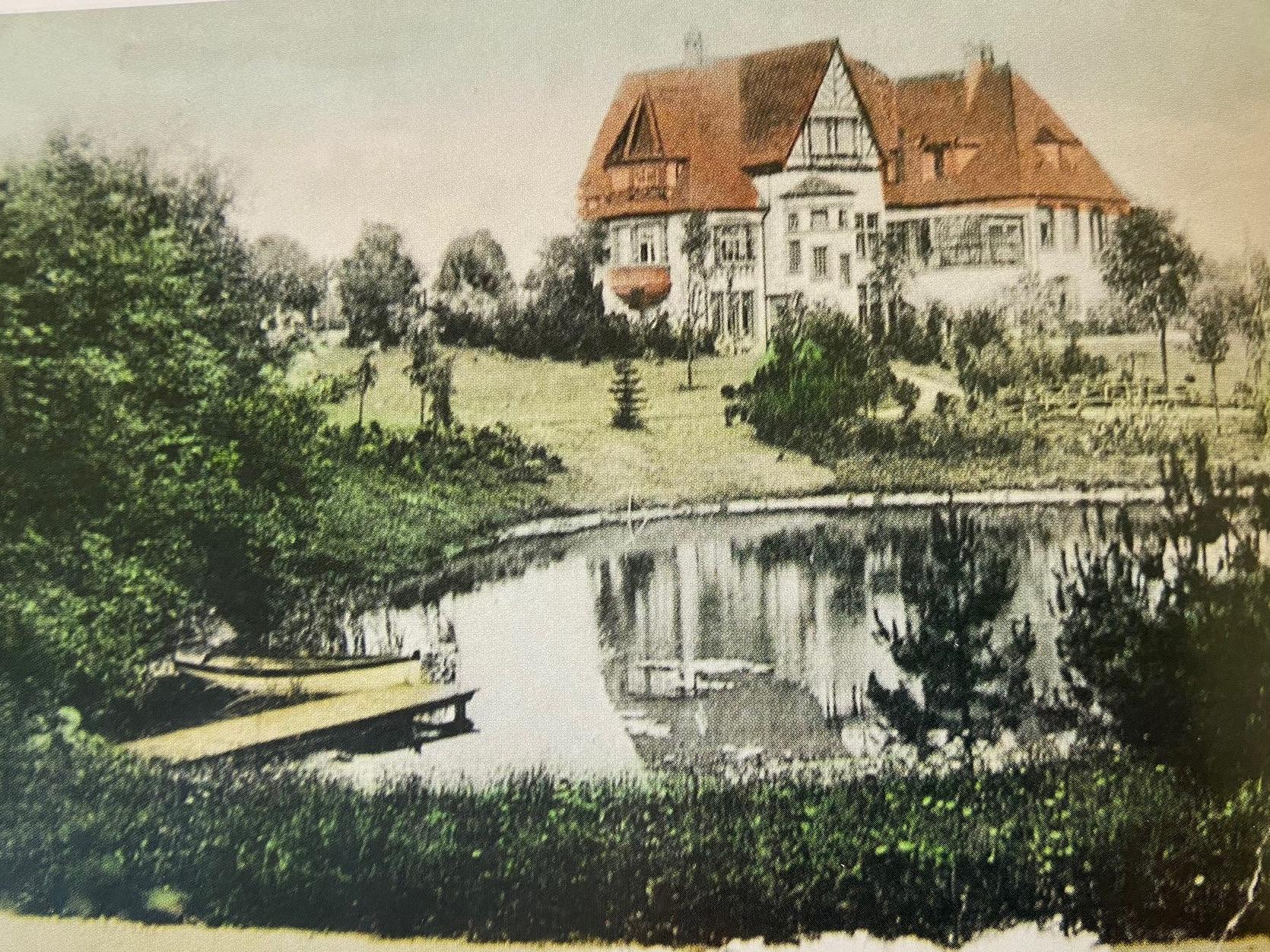
In spring 1990, Gesellschaft für Systemberatung im Gesundheitswesen (GSbG) acquired the property with the aim of transforming it into a specialist orthopaedic hospital that would serve as a model throughout Germany. All health insurers, the Schleswig-Holstein state government and the Senate of the Free and Hanseatic City of Hamburg approved the concept, which was designed around patients’ needs.
This preserved the historically valuable estate, one of the last of its kind in Großhansdorf, for the wider public and gave it a social purpose for the future. Villa Wulfriede, its park and the lake behind it remain the historic heart of the hospital grounds to this day.
The historic staircase from the park leads to Villa Wulfriede, which is now home to the Eye Clinic.
GSbG as the operating organisation
GSbG Gesellschaft für Systemberatung im Gesundheitswesen is the hospital’s private owner. In 1990, the German federal government, the state of Schleswig-Holstein and the statutory health insurance system encouraged and supported GSbG in establishing the Manhagen pilot hospital.
This made it possible to test the diagnosis-related group system in a German hospital for the first time. Innovations such as integrated care, treatment guarantees and differentiated quality assurance were also introduced.
Professor Rüschmann founded GSbG in 1985 as a private institute for fundamental research in health economics and academic policy advice. Its areas of focus include hospital financing and planning, integrated care and geriatric care. GSbG subsequently contributed to the legislative implementation of a nationwide DRG system through the Federal Minister of Health’s reimbursement-system working group and developed modern hospital planning for eight German states and the Canton of Bern.
It supported Germany’s first medical practice networks and advocated a dignified system of geriatric care that helps patients return home from an acute hospital at an early stage through an intermediate day-clinic programme. GSbG’s partners and clients include major institutions such as the World Health Organization, the German federal ministries for health, labour and research, German states, statutory health insurance associations, Associations of Statutory Health Insurance Physicians and university hospitals.
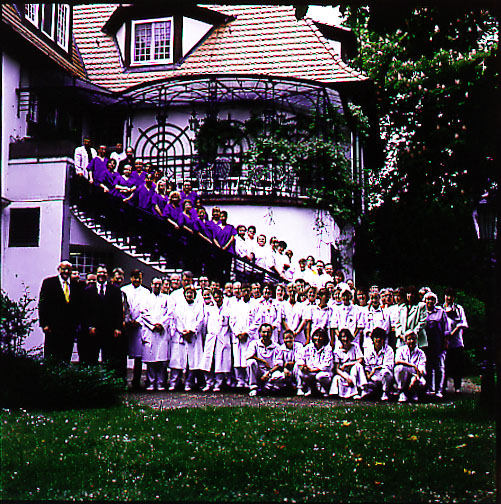
The team photograph shows the Manhagen team in 1999 in front of the romantic terrace at Villa Wulfriede.
15 January 1991
Following a refurbishment lasting just ten months, the new hospital at Sieker Landstraße 19 in Großhansdorf opened on 15 January 1991 with 28 beds, two operating theatres and 36 doctors and other staff. At the official opening, it was explained that Park-Klinik Manhagen had been established to test new forms of hospital reimbursement in practice as part of an academically supported pilot project and assess whether they could be adopted throughout Germany.
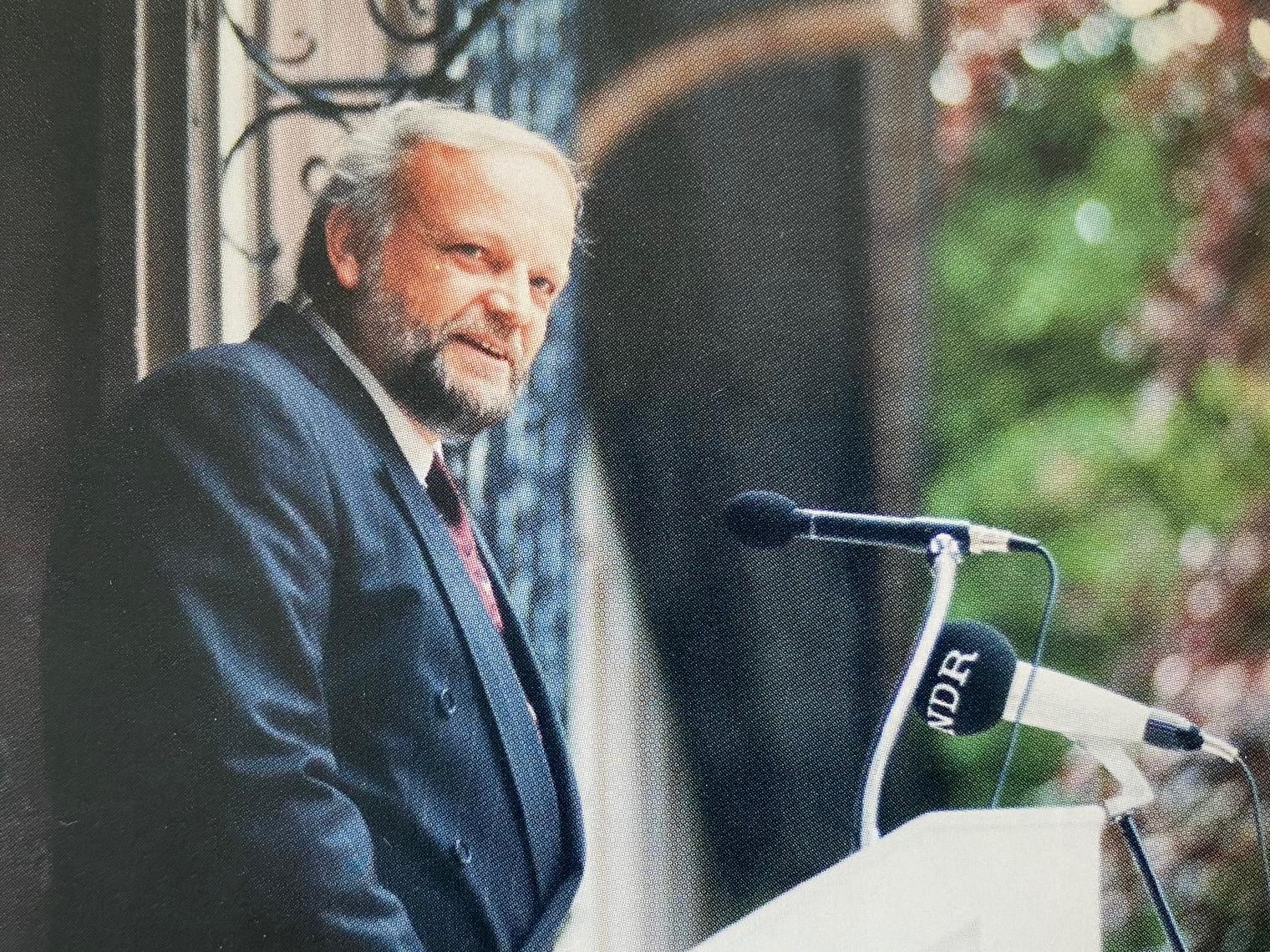
Prof. Heiner Rüschmann, representing the hospital’s owner, delivered the speech at the official opening of Park-Klinik Manhagen in 1991. At the time, the German Federal Ministry of Health described the pilot project as a trial of new forms of hospital reimbursement and an assessment of whether they could be applied throughout Germany.
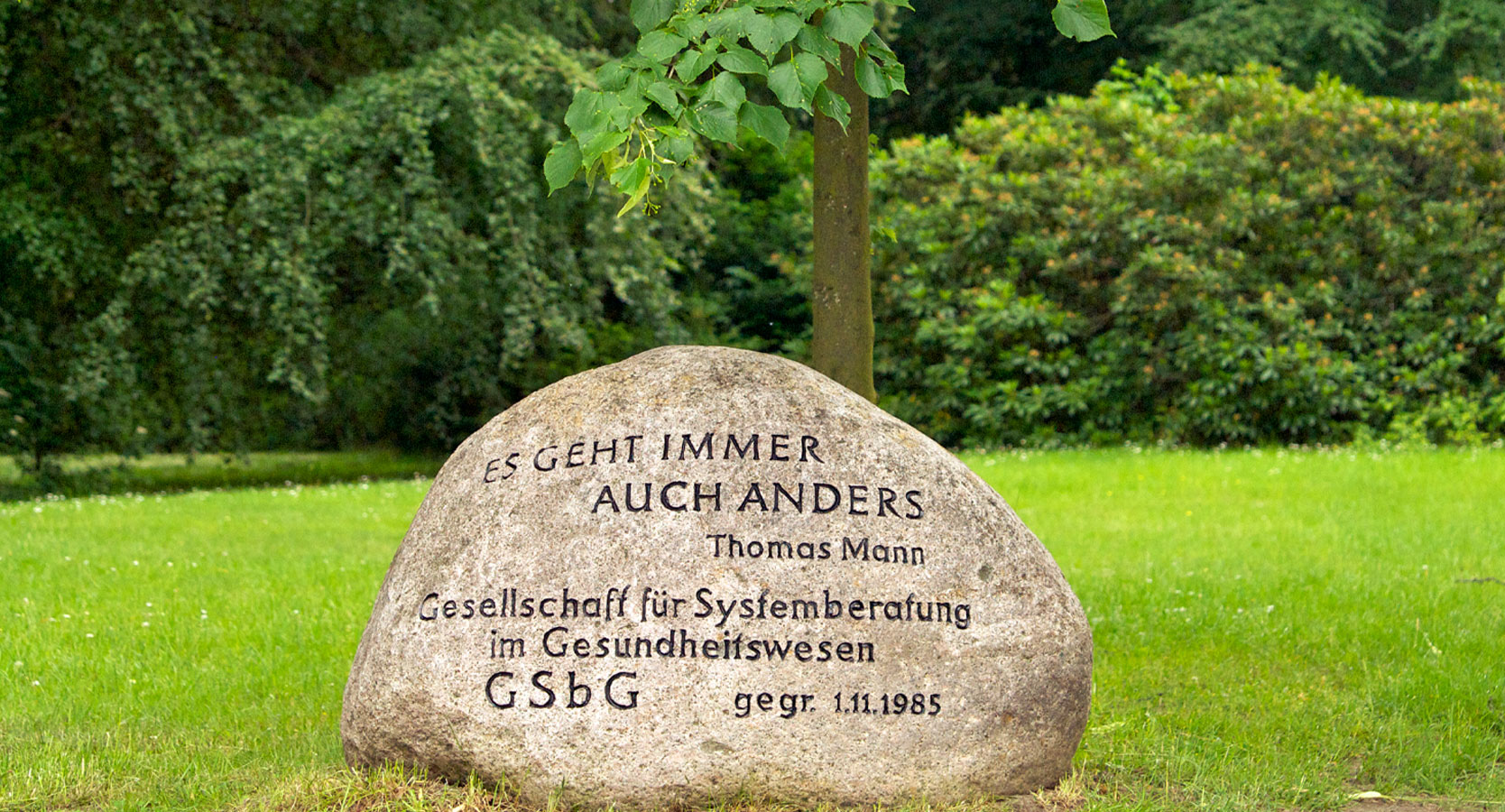
Guided by Thomas Mann’s words, “There is always another way”, the historically significant estate was preserved. Park-Klinik opened the door wide to the future. Within its modern buildings, everything was designed to support the skill of its doctors and the courage to pursue new paths in medicine.
Pioneering spirit
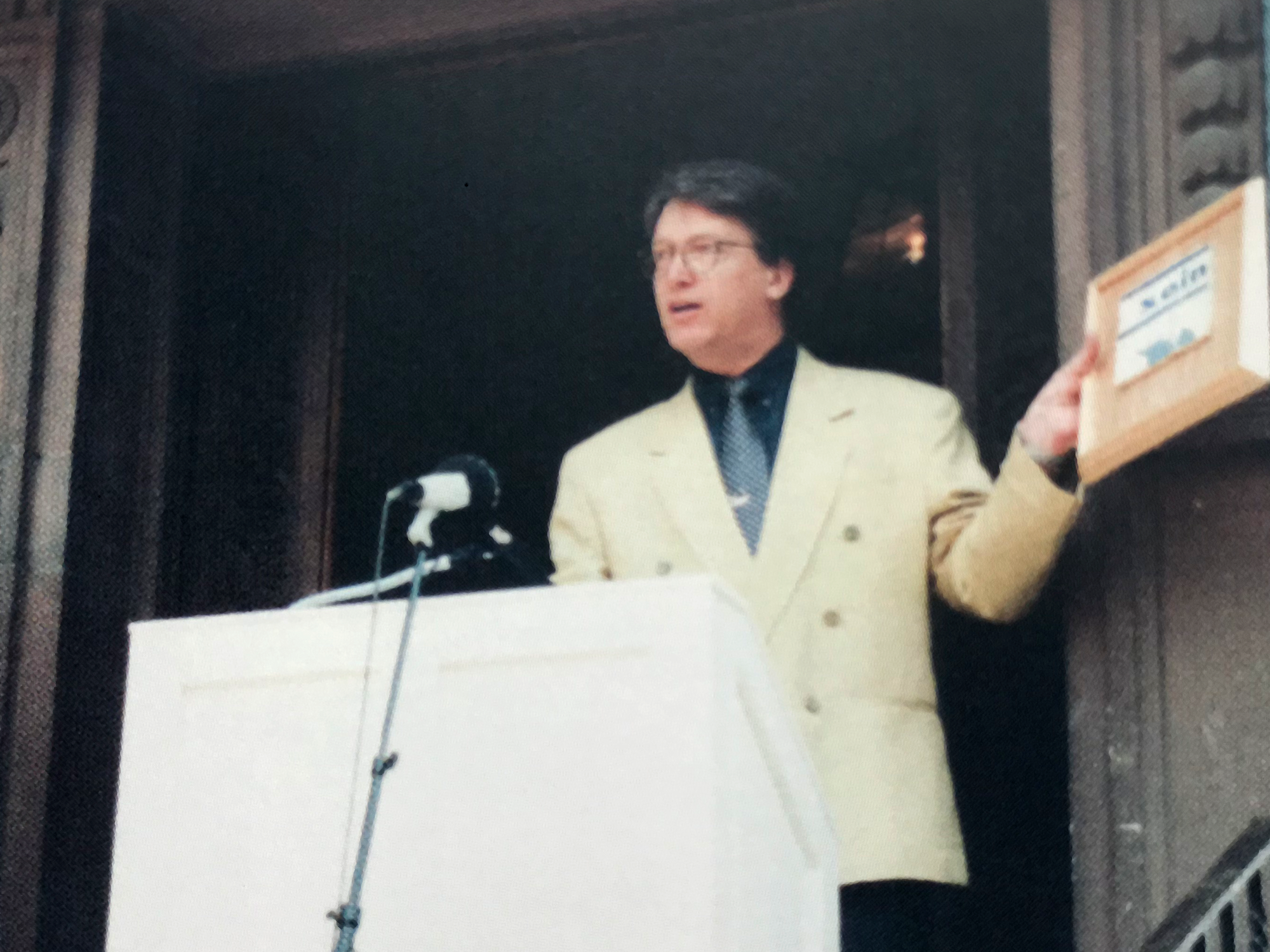
Dr Hoffmann, Dr Jensen and Dr Lütten were the hospital’s founding Chief Physicians and played a decisive role in building Klinik Manhagen from its first day. Professor Heiner Rüschmann as the provider’s representative and Dr Rotering as Managing Director shaped the hospital’s successful development from the outset.
Manhagen remembers Chief Physician Dr Christian Hoffmann, who died far too young. Without the commitment of these three Chief Physicians during the founding years, Klinik Manhagen could not have developed so successfully.
30 years of Klinik Manhagen
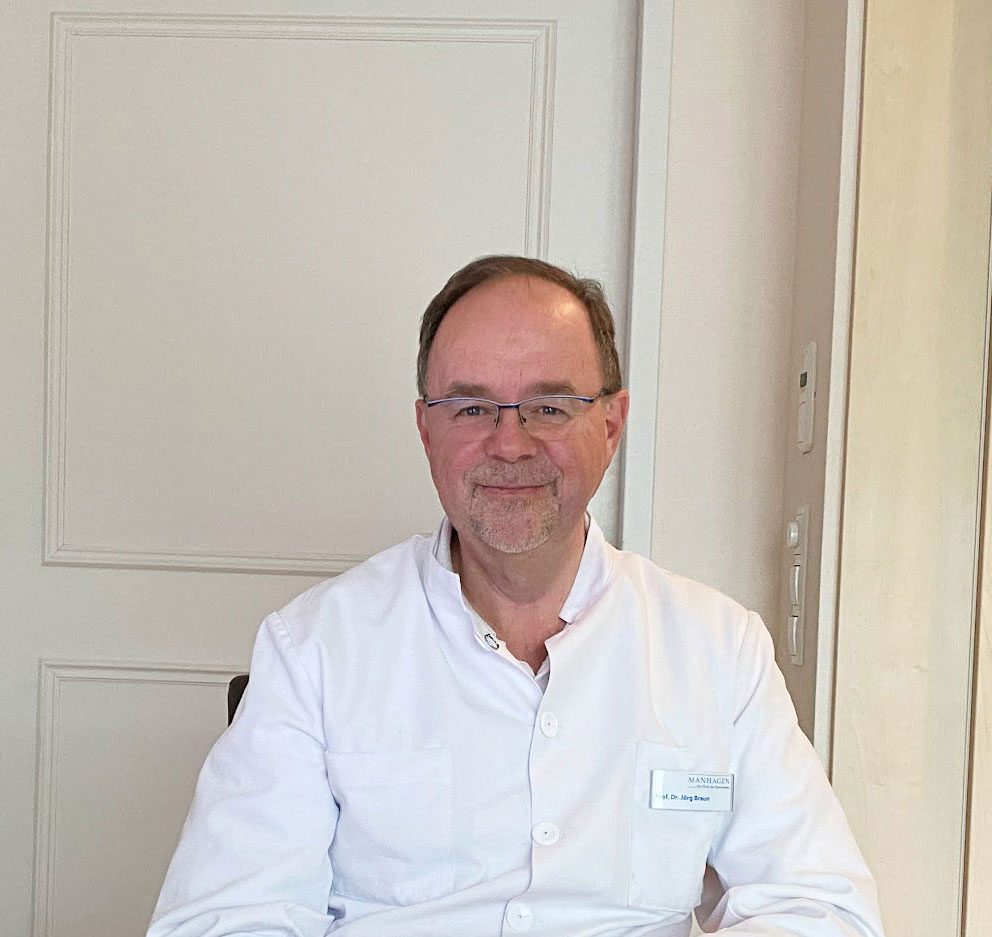
On the hospital’s thirtieth anniversary, Medical Director Prof. Dr Jörg Braun described its beginnings as an adventure, initially with just 28 beds in an Art Nouveau villa. At the time, arthroscopy was only beginning to replace substantially more invasive surgical techniques. Manhagen was also intended to overcome the boundaries between healthcare sectors and replace same-day nursing rates with case-based payments. Germany’s first diagnosis-related groups were piloted at Manhagen.
Patients were at the centre of the approach. No one should remain in hospital longer than necessary, and the quality of experienced specialist teams was considered more important than length of stay. There was also to be no preferential treatment for privately insured patients: first-class medicine should be available to everyone.
Once the considerable initial resistance had been overcome, the hospital grew rapidly while continuing to provide orthopaedic services with a focus on hip and knee replacement. Its services expanded to include trauma surgery and emergency care, spinal surgery specialising in complex procedures such as scoliosis correction, and oral and maxillofacial surgery.
An Eye Clinic was also established at an early stage. Although ophthalmology has seen a strong shift towards outpatient treatment, numerous procedures still require an inpatient setting.
Klinik Manhagen today
After overcoming initial resistance, the hospital grew rapidly into an institution that continues to provide orthopaedic care with a particular focus on hip and knee replacement. Its services were expanded to include trauma surgery with participation in emergency care, spinal surgery specialising in complex procedures such as scoliosis correction and, most recently, oral and maxillofacial surgery.
An Eye Clinic was established at an early stage. Despite the shift towards outpatient ophthalmology, numerous procedures still require inpatient care. Every surplus generated was reinvested in staff and infrastructure: qualified employees, flat hierarchies, an employee-focused organisational culture, physiotherapy, 14 state-of-the-art operating theatres and a hotel-like hospital environment set in parkland.
Physiotherapy makes an essential contribution to helping patients regain movement quickly. The hospital firmly believes that patients recover faster in a friendly environment close to nature.
A bridge between old and new
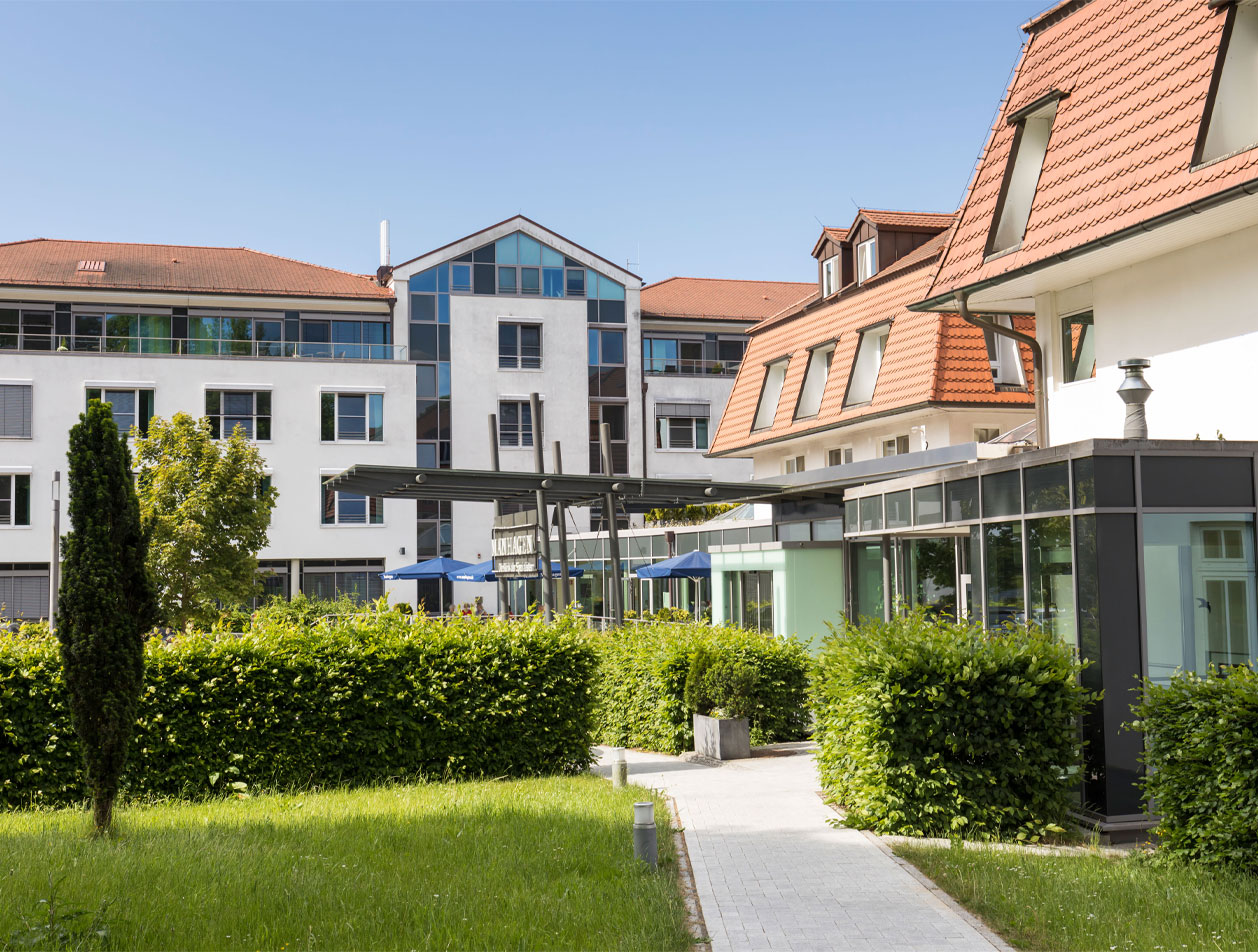
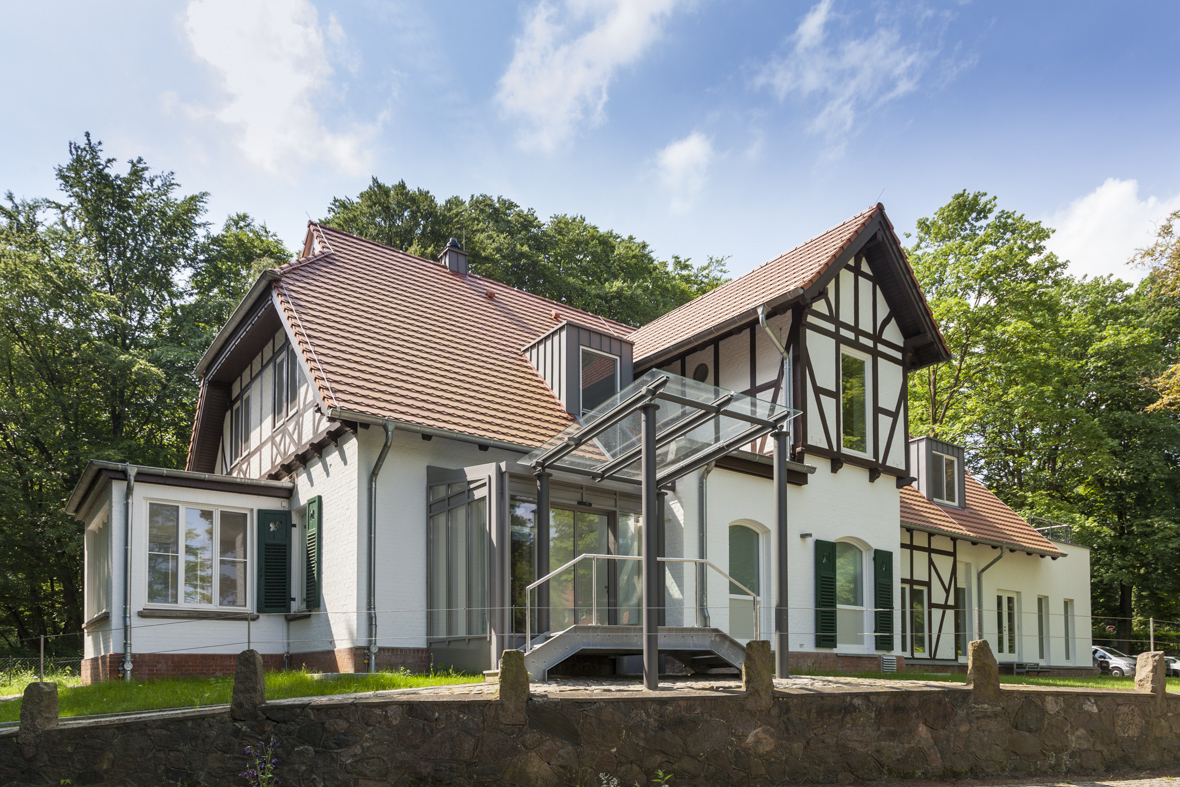
History and modern medicine rarely meet as vividly as on the Großhansdorf site of Klinik Manhagen, formerly the grand Wulfriede villa estate of Hamburg’s Albrecht family. From 1900 onwards, the family shaped the development of the twelve-hectare site, which was still part of Hamburg at the time.
Today, the historic gatehouse welcomes patients and visitors to Manhagen and houses several administrative departments. The former coach house has been converted: where horses were once saddled and harnessed, the Fertility Centre now helps people whose hopes of having a child remain unfulfilled.
The hospital’s management team is now based in the city villa on the grounds. A once grand country estate has become a state-of-the-art specialist hospital.
Quality and the future
Patient safety is supported by rigorous hygiene and safety measures, strict infection control and experienced complication management by specialists working within an expert network. Modern technology, consistent digitalisation, established medical devices, state-of-the-art operating theatre equipment, continuous monitoring on the wards and modern pain management all support rapid mobilisation with as little pain as possible.
These measures are designed to optimise the quality of treatment for patients. Nationwide rankings by case numbers and objective quality controls such as the German Arthroplasty Registry regularly place Manhagen among the leaders. Patients from across Germany and other European countries therefore make a conscious decision to be treated at Manhagen.
Our strict infection control regime is designed to keep wound-healing disorders and other hospital-acquired infections exceptionally rare. Experienced specialists managing complications within an expert network also help ensure that serious complications remain uncommon despite the increasing age of many patients.
Alongside the human factor, modern technology and consistent digitalisation are playing an increasingly important role, from the procurement of established medical devices and state-of-the-art operating theatre equipment to continuous monitoring on every ward.
We will continue to refine our services in the years ahead, particularly in modern movement medicine. Our guiding principle remains: there is always another way. At Manhagen, that means there is always a better way.